











Bangladesh built the second largest apparel industry in the world on two things: scale and duty-free access to Europe. The scale is not going anywhere. The duty-free access is. Bangladesh graduates from Least Developed Country status in 2026, and the European Union's Everything But Arms scheme, which lets Bangladeshi garments enter Europe at zero duty, runs for a three-year grace period and then ends in 2029. After that, the standard tariff returns, and it is not small.
Understand the cliff before it arrives
Once the grace period ends, Bangladeshi garments would face the EU's standard rate, roughly nine to twelve percent depending on the product. The hoped-for soft landing, the GSP+ tier, does not in practice cover ready-made garments the way the current scheme does, and Bangladesh's share of EU apparel imports is large enough to complicate qualifying. Treating 2029 as a problem for later is the mistake. Buyers plan their sourcing years ahead, and the ones deciding now where to place orders for 2029 and beyond are already asking how each factory will absorb a tariff that did not used to exist.
Green factories are a real Bangladeshi advantage
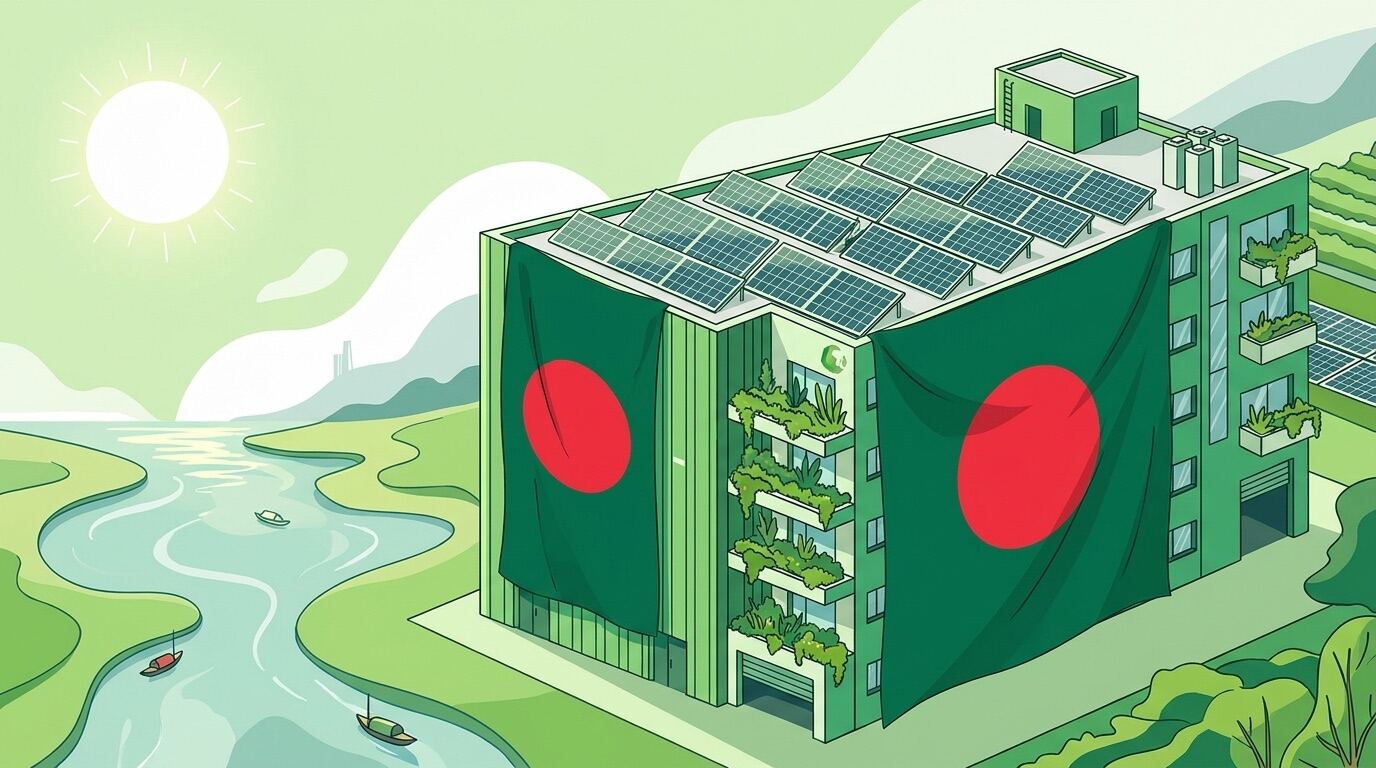
Here is the good news, and it is not small. After the safety reforms of the last decade, Bangladesh now has more LEED-certified green garment factories than any country in the world, along with thousands of remediated, audited buildings. European brands under their own supply chain laws need exactly this. If your factory holds a green certification or a strong audit record, that is no longer a nice-to-have, it is a reason a buyer chooses you over a cheaper supplier elsewhere. Put it front and centre.
On Lalaaji, your certifications and audit status sit on your profile where buyers check them before they message. A verified green factory reads very differently from an unknown one. See how buyer verification works.
Move up before the tariff catches you
A factory selling only basic tees on the thinnest margin has no room to absorb a twelve percent duty. A factory making higher-value product, with better finishing, sustainable materials, and reliable delivery, has a buyer who will share some of that cost because switching away is harder. The years before 2029 are the window to climb. The export-ready basics that support that climb are set out in what it takes to be an export-ready apparel manufacturer.
Spread your markets
Leaning entirely on the EU made sense while it was duty-free. With that ending, the factories that build relationships in markets where Bangladesh still competes well, and that learn to be found by new buyers, will weather the change better. Our guide to how buyers vet apparel manufacturers helps you pass the first test with any new buyer, and it is worth seeing how a neighbour with a different raw-material base competes, in how Indian apparel makers win export orders.
Want buyers to find your green-certified factory and plan orders with you past 2029? List your factory on Lalaaji.