











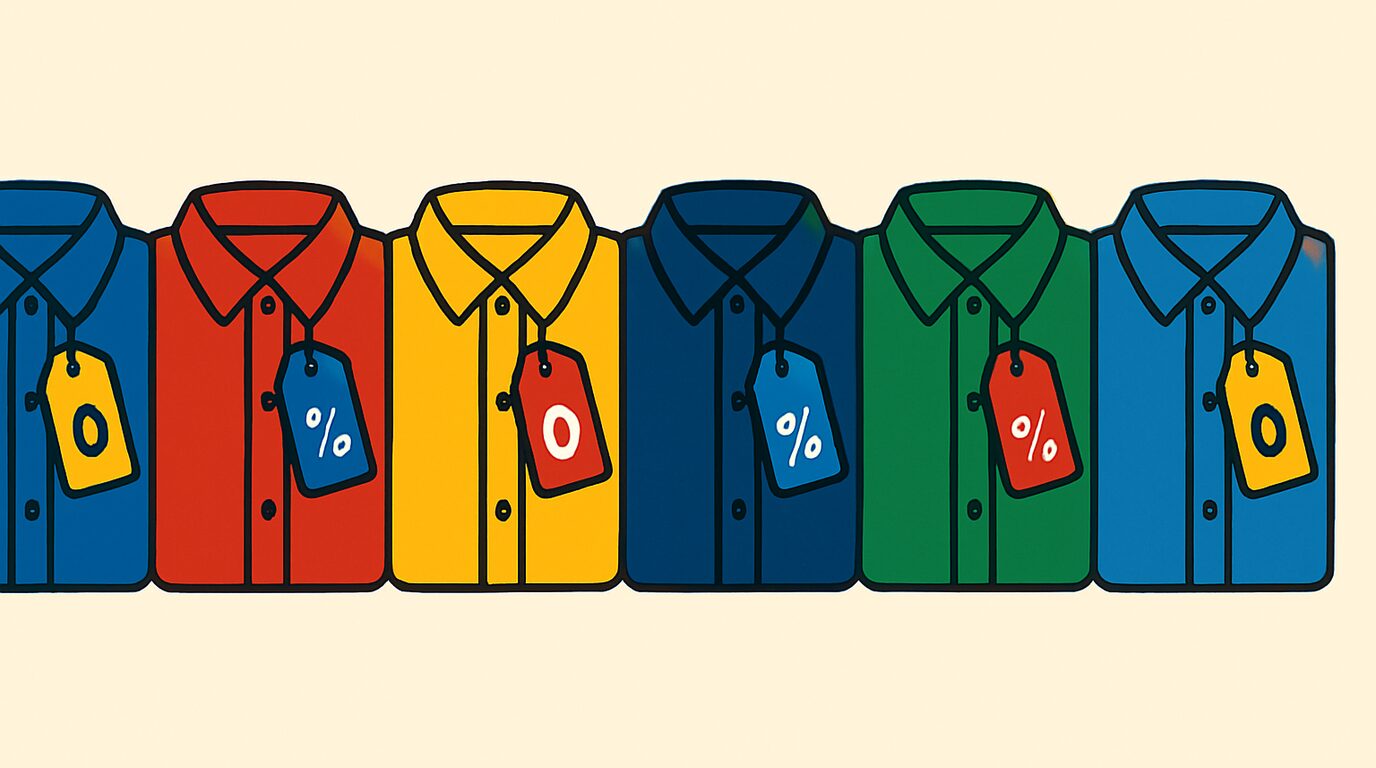
For two decades China won apparel orders on a simple promise: anything, at any volume, cheaper. US tariffs have broken the cheaper part. Section 301 duties pushed effective rates on many Chinese garments well above those on goods from Vietnam, Bangladesh, or India, and American buyers responded by moving orders out. China's share of US apparel imports has fallen sharply and now sits below Vietnam's. That is the reality. The question for a Chinese factory is what to compete on instead, and the honest answer is that the things tariffs did not touch are still formidable.
Sell the supply chain, not the unit price
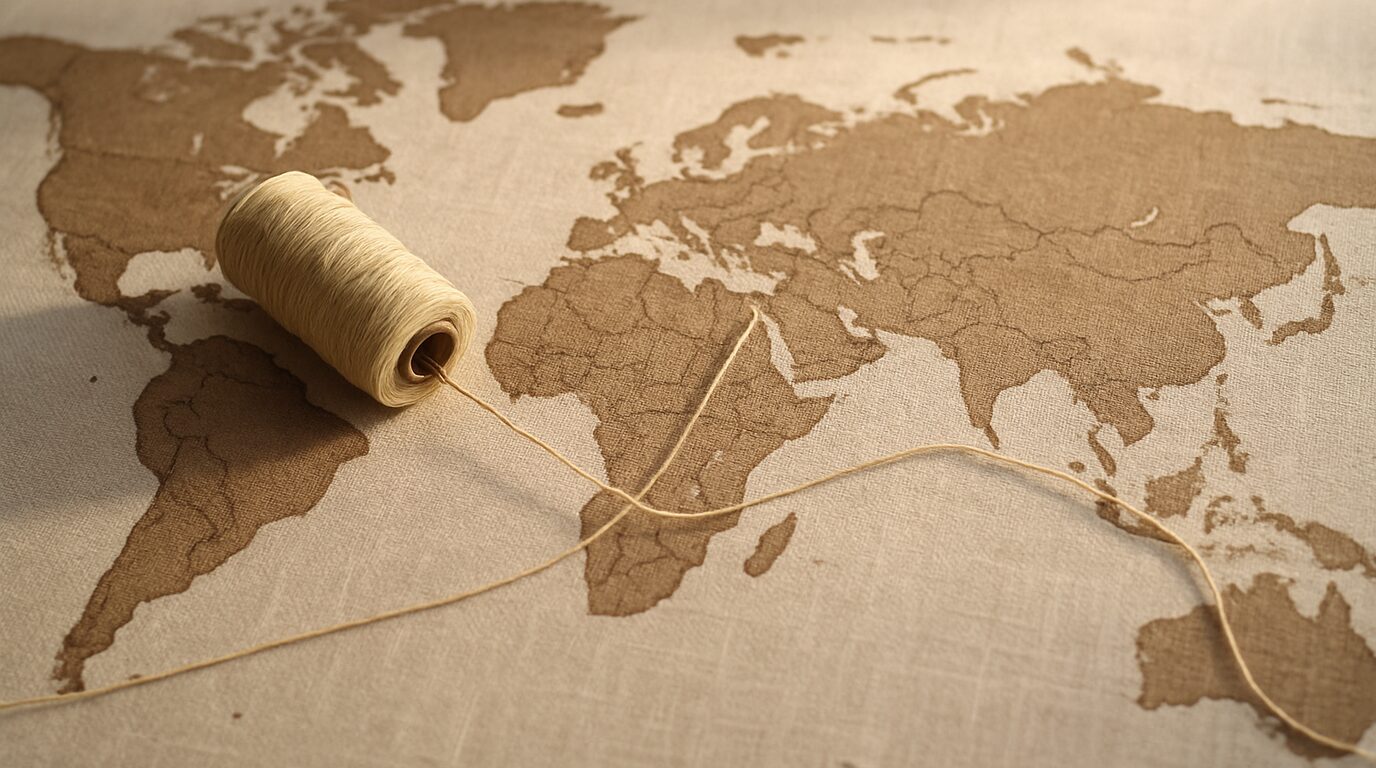
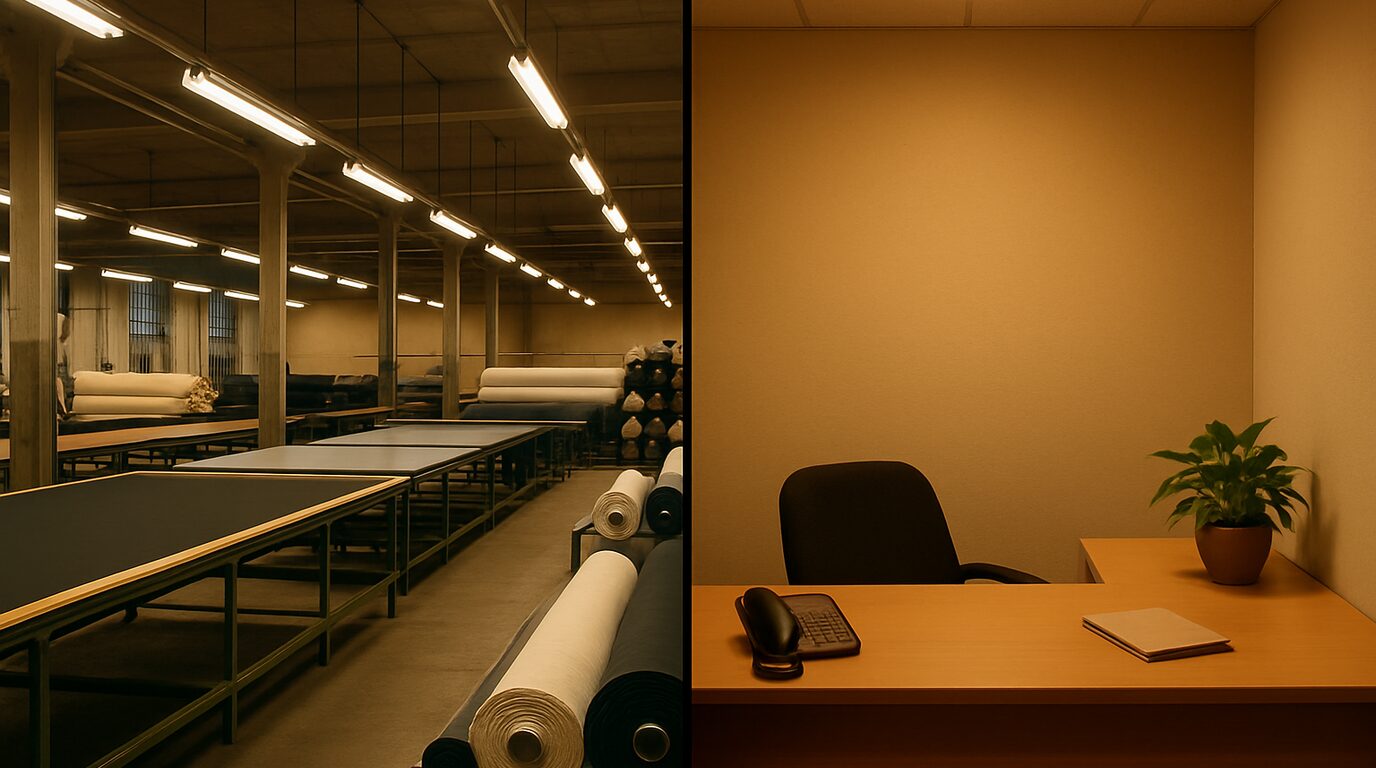
No other country matches China's density of fabric mills, trim suppliers, and specialist finishers within a short drive of each other. That ecosystem is why China can sample faster, handle complicated constructions, and source an unusual fabric without waiting weeks for an import. A buyer with a hard product, a tight sampling deadline, or a design that needs ten components from eight suppliers still struggles to get it done anywhere else. Lead with that. The factories holding their ground are selling capability and speed, not a price that no longer wins.
On Lalaaji, buyers post detailed briefs and verified factories respond. A Chinese factory that can turn a complex sample around in days answers requirements that simpler suppliers cannot. See how RFQs reach sellers.
Go where the tariff is not
The tariff problem is largely a US problem. The European Union, Japan, Australia, the Middle East, and China's RCEP partners do not apply the same penalties, and many of those buyers value reliability and capability over the last cent of price. A factory that has only ever served American brands has a real opportunity in markets where the China discount was never the point. Reaching them starts with being findable, which we cover in how to find international buyers for clothing.
Move upmarket and automate
The low-margin basics are the orders most exposed to tariffs and to lower-cost competitors. The technical, the intricate, and the fast-turn are not. Chinese factories investing in automation, better finishing, and higher-value product are protecting themselves from a price war they can no longer win. It is the same climb factories elsewhere are making, and the export fundamentals that support it are in what it takes to be an export-ready apparel manufacturer.
Win the trust that keeps buyers
A buyer diversifying away from China but keeping one strong Chinese partner is making a trust decision. Verified identity, clear compliance, and protected payment are what make them keep you on the list. Put your credentials where a buyer can see them, and understand their checklist from how buyers vet apparel manufacturers. It also helps to know how the country taking your US orders is positioning itself, in how Vietnam's factories win export orders.
Want buyers in markets beyond the US to find your factory and what it can really do? List your factory on Lalaaji.