











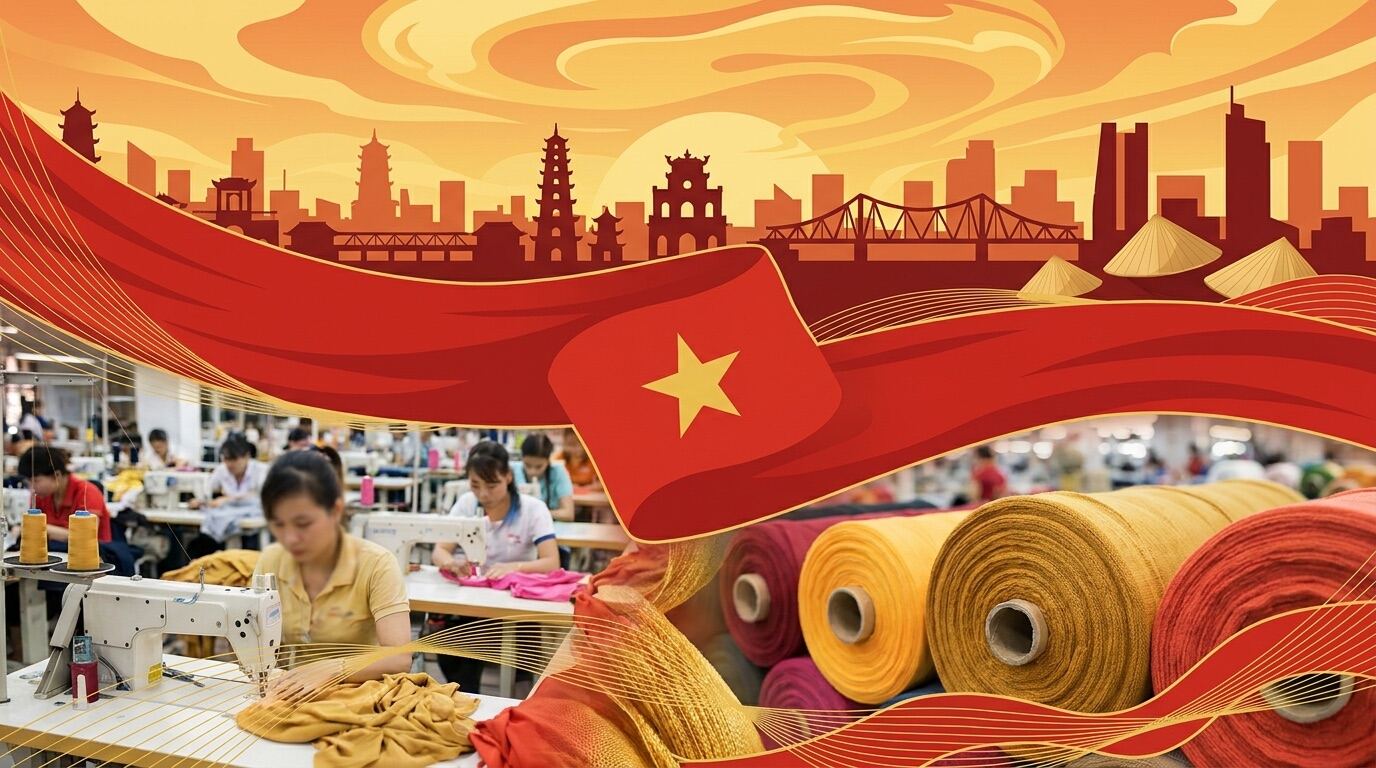
Vietnam is the third largest apparel exporter in the world, behind only China and Bangladesh. For years that growth rode on one market: the United States. The tariff turbulence of the last few years has made that dependence feel risky, and the factories handling it best are the ones spreading their orders across the markets Vietnam can now reach duty-free. The tools to do that already exist. Most factories just under-use them.
The EVFTA changed the maths for Europe
Under the EU-Vietnam Free Trade Agreement, the import duty on most apparel categories into the European Union has now stepped down to zero. For a European buyer comparing a Vietnamese quote against one from a country still paying the full tariff, that is real money saved on every shipment. The catch is the rule of origin. To claim the preference, your product generally has to meet a fabric-forward rule, which means the fabric is woven or knitted in Vietnam, the EU, or a partner country such as South Korea, not simply cut and sewn from imported cloth.
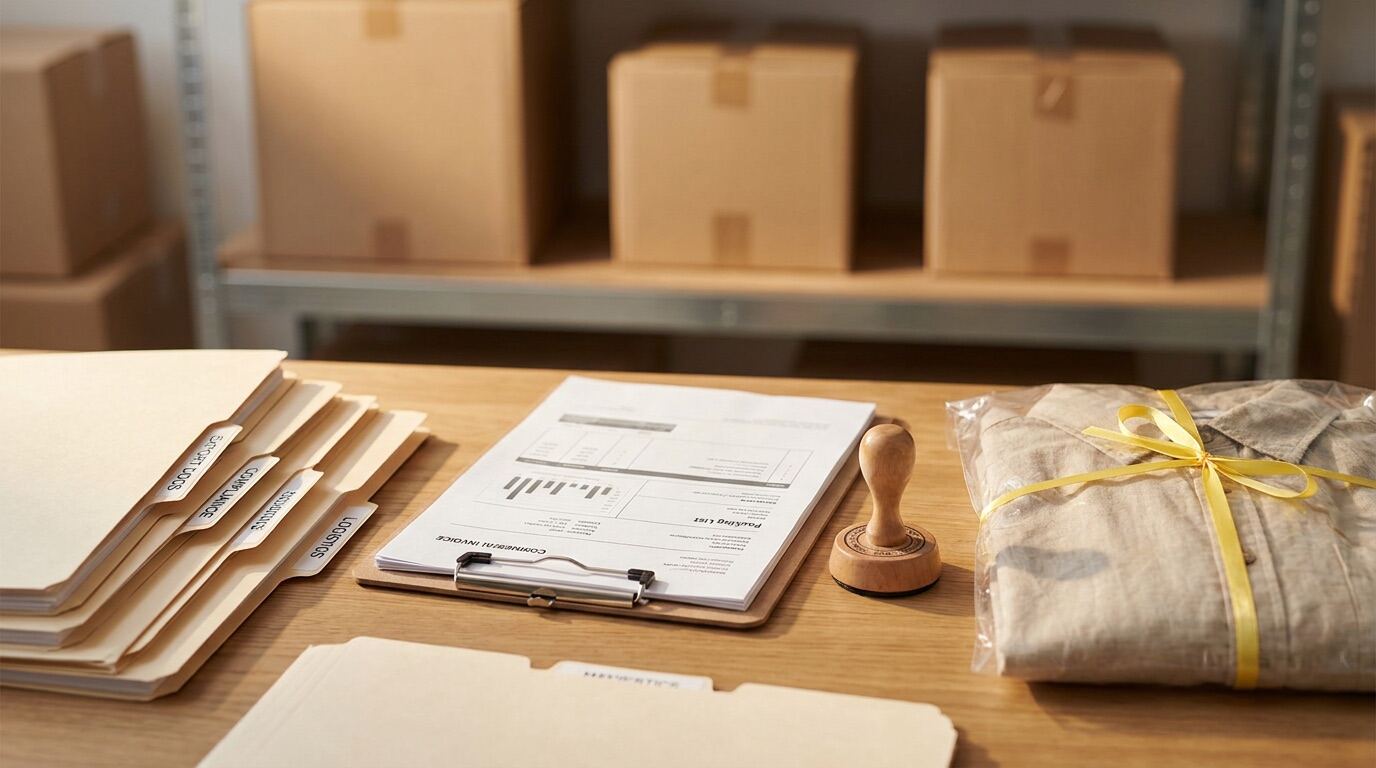
Two things follow from that. First, you need to issue the correct certificate of origin, the EUR.1, so the buyer can actually claim zero duty at their border. Second, the factories that source qualifying fabric, rather than buying the cheapest cloth from anywhere, are the ones that can offer the duty saving as a selling point. If you cannot yet meet the rule, fixing your fabric sourcing is the highest-return move you can make for European sales.
On Lalaaji, European buyers post what they need and verified factories respond. A Vietnamese factory that can quote duty-free under EVFTA, with the origin paperwork ready, stands out fast. See how RFQs reach sellers.
CPTPP opens Japan, Canada, and Australia
Europe is not the only door. Through the CPTPP agreement, Vietnamese apparel reaches Japan, Canada, and Australia at reduced or zero tariffs. Japan in particular rewards consistent quality and on-time delivery, and it pays well for it. If your factory has only ever sold to American brands, these are the markets to test next, because the tariff advantage is already yours and the competition there is thinner than in the US.
Compliance is a Vietnamese strength, so use it
Vietnamese factories lead Southeast Asia on environmental reporting through the Higg Index, and most serious exporters already hold WRAP, BSCI, or Oeko-Tex. Buyers know this. Put your certificates and audit dates on your profile where a buyer can see them before they ask. The same checklist a buyer runs on any supplier is covered in how buyers vet apparel manufacturers, and the full export checklist is in what it takes to be an export-ready apparel manufacturer.
Be found by buyers in your new markets
None of this matters if European or Japanese buyers cannot find you. A brand looking to move orders out of China searches sourcing platforms and posts requirements long before it visits a factory. Being present where those briefs land is how you turn a tariff advantage into actual orders. Our guide to how to find international buyers for clothing covers the practical steps, and if you are competing for orders leaving China, it helps to understand how Chinese factories are responding.
Want EU and Japanese buyers to find your factory and your duty-free advantage? List your factory on Lalaaji.