











Every European brand that got burned by long lead times and stuck containers in the early 2020s came out of it asking the same question: who can make this closer to home, and fast? For a large share of them, the answer has been Turkey. Turkish factories sit on an advantage that factories in Asia simply cannot copy, and the ones who sell on that advantage rather than on price are winning the repeat business.
The Customs Union removes the tariff
Turkey has been in a Customs Union with the European Union since 1995. For finished apparel, that means goods move into the EU with zero customs duty. A buyer sourcing the same garment from Vietnam or China usually pays around twelve percent at the border. You start every European quote with that gap already in your favour. Say it plainly to the buyer and do the per-unit maths for them, because many know the Customs Union exists without ever having had a supplier spell out the saving.
Four days, not four weeks
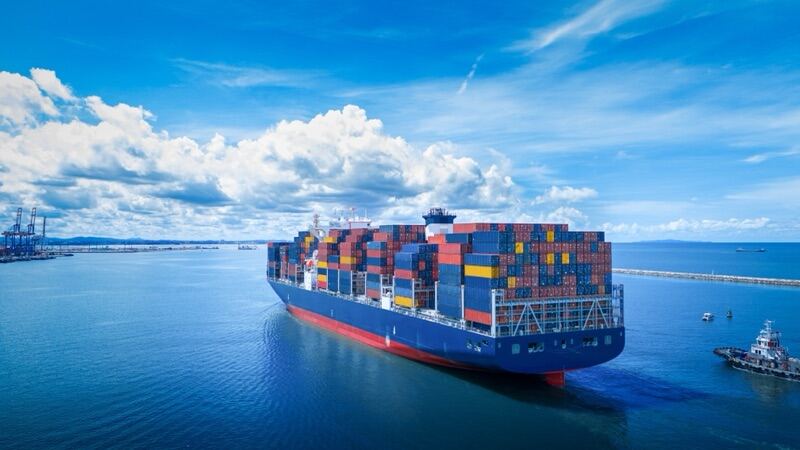
The second advantage is speed, and it is the one European buyers feel most. A truck leaves Istanbul and reaches Milan in about four days, Berlin in five, Paris in six. Compare that to six weeks on the water from Asia. For a brand that needs to chase a trend, top up a bestseller mid-season, or recover from a supplier that let them down, that difference decides the order. Lead time is your product as much as the garment is, so quote it honestly and then hit it.
On Lalaaji, buyers post requirements and verified factories respond. A Turkish factory that can promise duty-free delivery to an EU warehouse in under a week answers the brief everyone else is too slow for. See how RFQs reach sellers.
Lean on the fabric base, especially denim
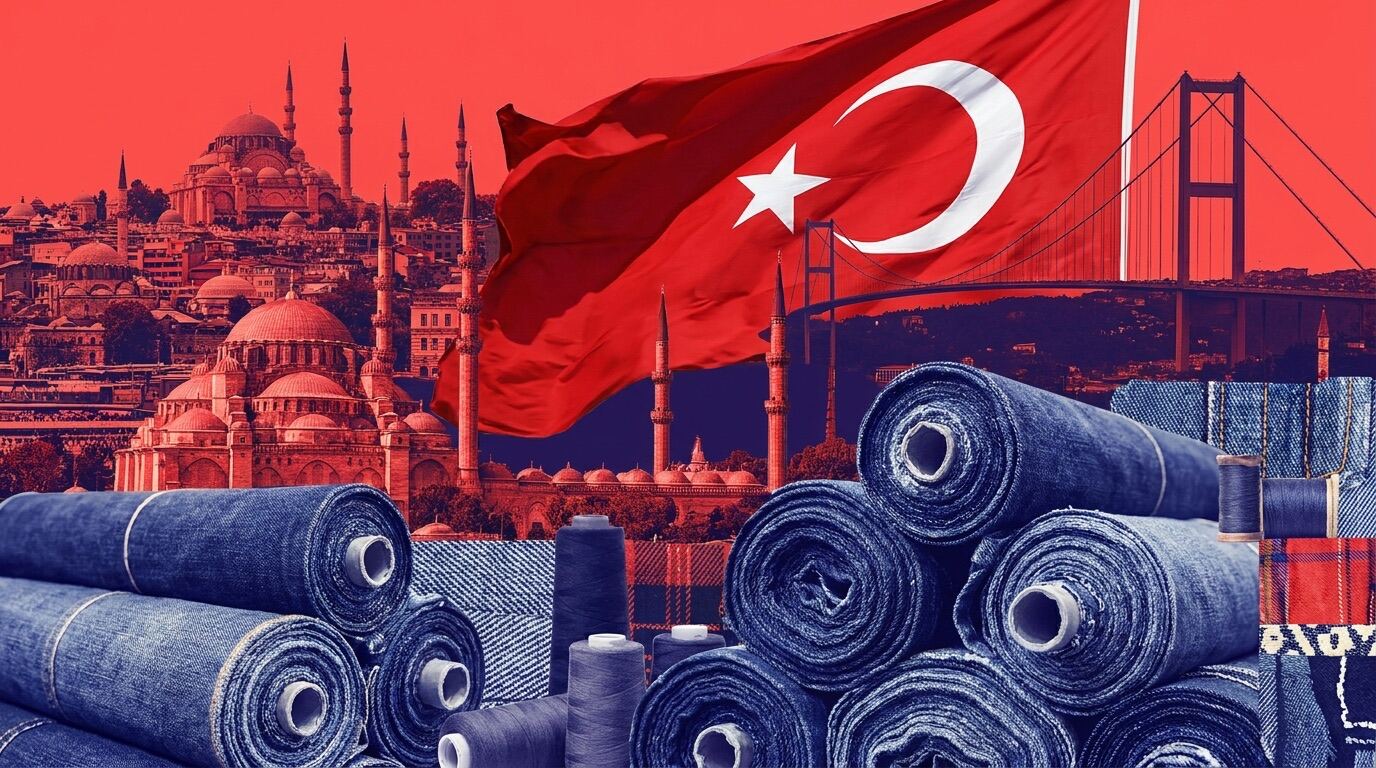
Turkey is not only a sewing destination. It spins yarn, mills fabric, and finishes at scale. Gaziantep and Kahramanmaras between them produce most of the country's denim fabric, and Turkey ranks third in the world for denim exports. Owning the fabric step means shorter total lead times, better control of quality, and the ability to offer organic and recycled options that European buyers increasingly require. If denim, knitwear, or quick-turn fashion is your strength, build the whole pitch around it.
Small runs are a feature, not a weakness
European brands testing a new line do not want to commit to forty thousand units from a distant factory. Turkish factories that handle smaller, flexible runs with fast reorders fit the way modern brands actually buy. That flexibility, paired with the duty and speed advantages, is a stronger position than competing on the lowest unit price.
Pass the buyer's check before they ask
Speed and proximity get you the enquiry. Trust closes the order. European buyers expect BSCI or SEDEX audits and, for the product, Oeko-Tex or GOTS where it applies. Have it ready on your profile. The full list is in what it takes to be an export-ready apparel manufacturer, and the buyer's side of the decision is in how buyers vet apparel manufacturers. Turkey is not the only country chasing European orders on a trade advantage, so it is worth seeing how Pakistani manufacturers approach the same buyers.
Want European brands to find your factory and your head start on duty and speed? List your factory on Lalaaji.