








Faisalabad and Sialkot are two of the handful of cities that make Pakistan an apparel exporter worth taking seriously, and they could hardly be more different. Faisalabad is the cotton city: spinning, weaving, denim, home textiles, and a knitwear base that has grown up around the mills. Sialkot is the sportswear city: performance kits, gloves, footballs, and a long habit of making technical products for European brands. A European buyer who understands the difference sends the right brief to the right cluster. A factory that can explain its own cluster wins that brief. The two cities sell into Europe very differently, and buyers want different things from each.
What Faisalabad makes, and who buys it
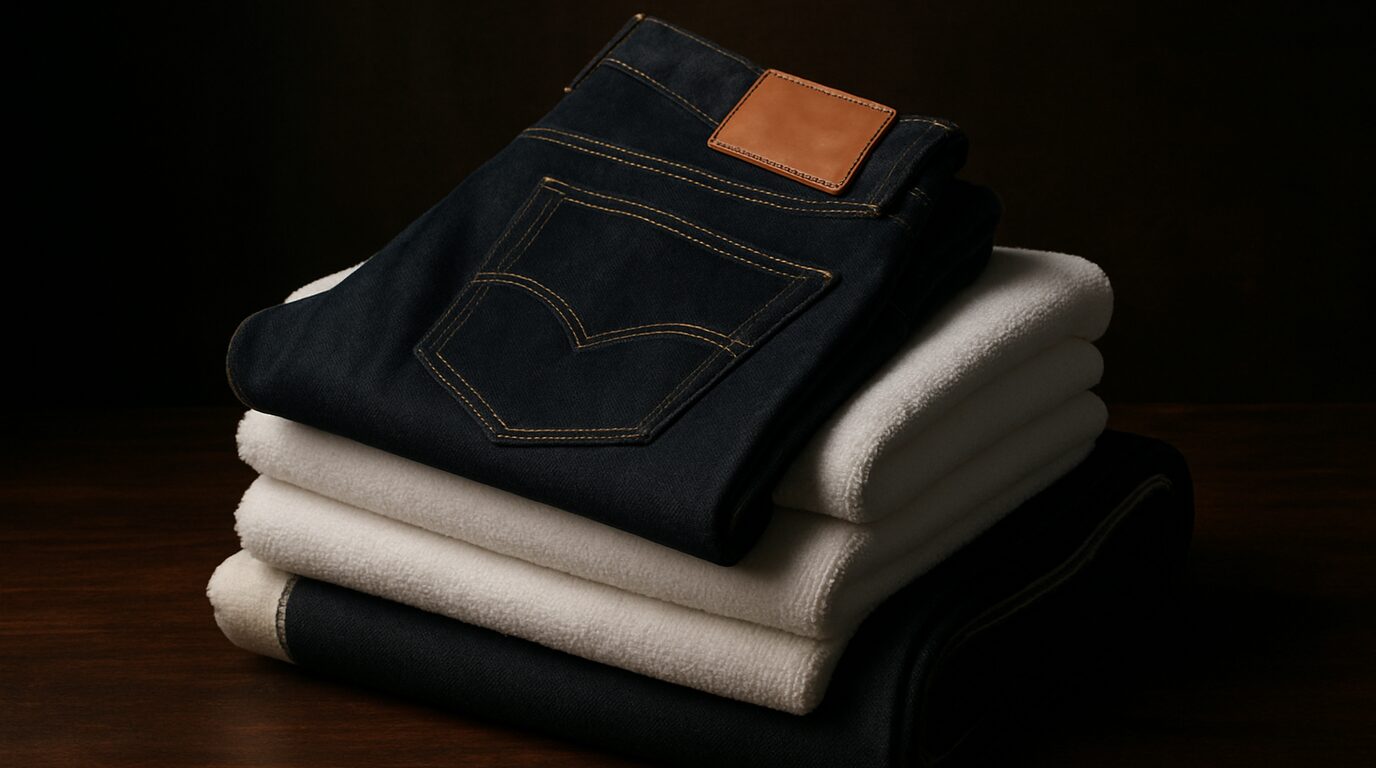
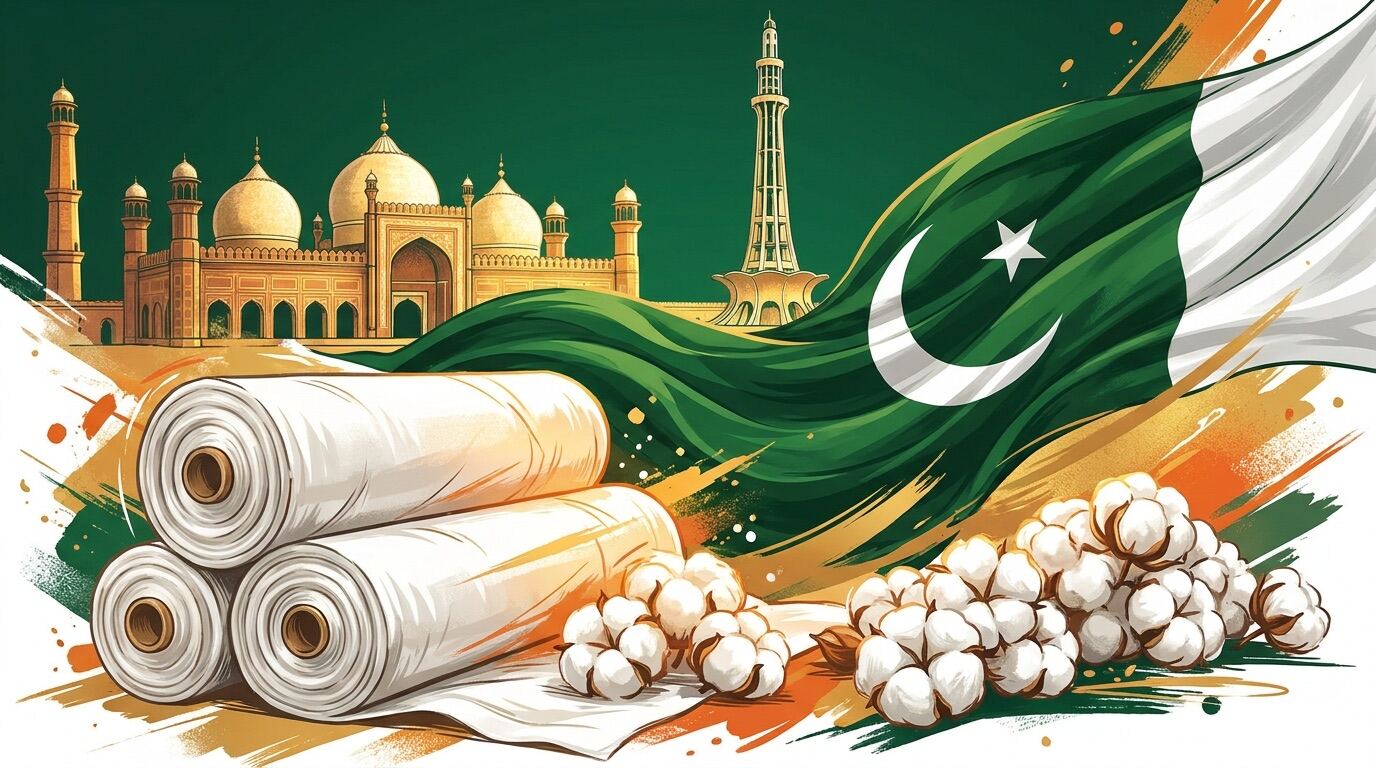
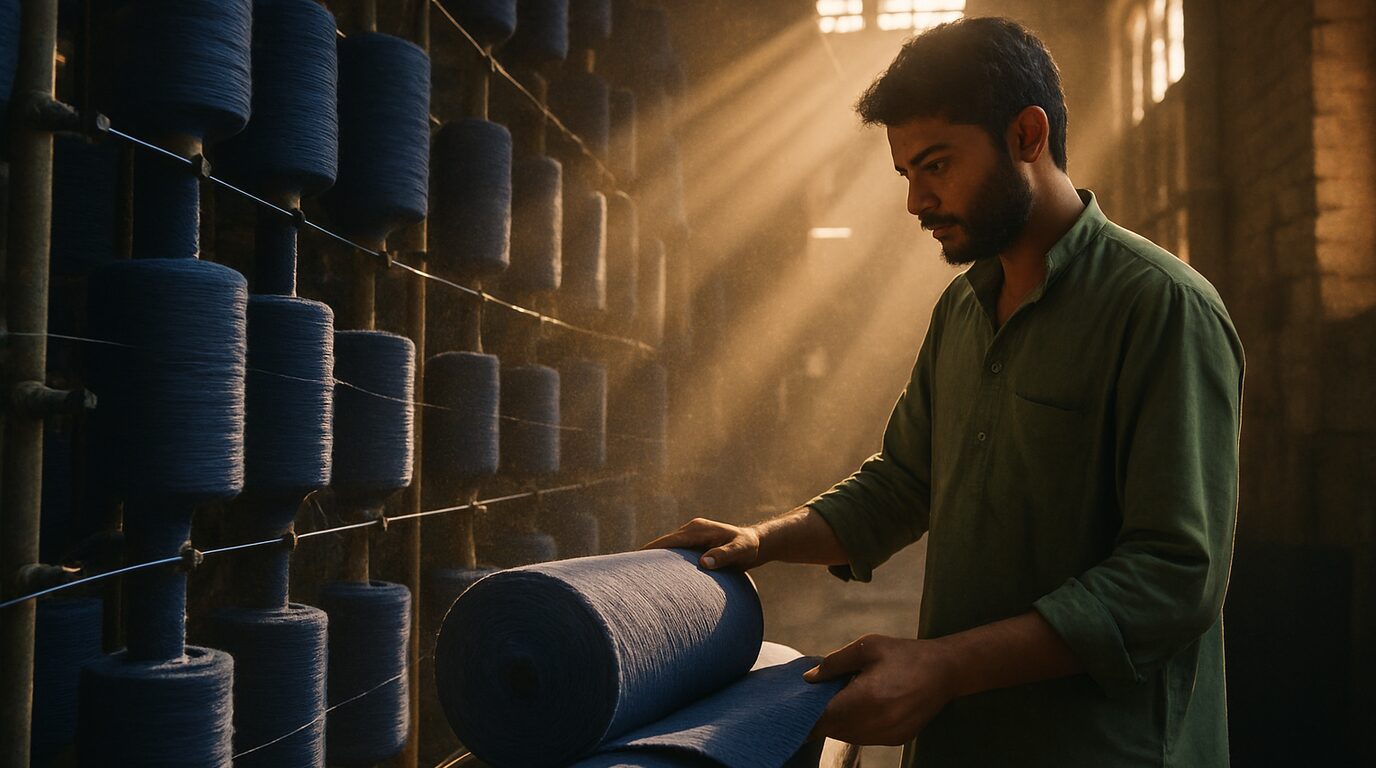
Faisalabad earned the nickname "the Manchester of Pakistan" for the same reason the original earned its name: the mills came first and everything else grew around them. Cotton is grown within a few hours' drive, spun and woven in the city, and increasingly finished there too. That vertical chain is the Faisalabad pitch. A European buyer sourcing a basic tee, a fleece hoodie, a towel range or a pair of five-pocket jeans from Faisalabad is buying from a place where the fabric and the garment can come out of the same group, sometimes the same compound.
The denim story deserves its own line. Pakistan is one of the largest denim fabric exporters in the world, and most of that fabric leaves from Faisalabad, Lahore and Karachi mills. European denim brands already buy Pakistani fabric, often without knowing it, because their cut-and-sew partner in Turkey or Bangladesh sourced it. The factories that have moved from selling fabric to selling finished jeans are the ones capturing the margin that used to walk out of the country in a roll. We wrote about that move in why Pakistani denim and home textile makers should add finished garments.
What Sialkot makes, and who buys it
Sialkot has been making sports goods for export for over a century, and it shows in the way the city sells. A Sialkot factory quoting a European club or a sportswear brand talks in the buyer's language by default: sublimation, moisture-wicking knits, flatlock seams, goalkeeper gloves, compression, cycling bibs, martial arts uniforms, the whole catalogue of things that need to be made properly or not at all. The city stitched the match balls for several FIFA World Cups. That is the kind of reference a buyer in Munich understands without a translator.
The European buyer coming to Sialkot is usually smaller than the one going to Faisalabad. Club teams, cycling brands, gym chains, martial arts equipment sellers, private-label sportswear labels with 300 to 2,000 pieces per style. They care about print accuracy, fit consistency and turnaround, and they pay more per piece for it than a discounter pays for basics. That is a good buyer to have.
| Faisalabad | Sialkot | |
|---|---|---|
| Core products | Denim, knit basics, fleece, towels, bed linen, workwear | Team kits, activewear, gloves, cycling wear, martial arts, footballs |
| Typical EU buyer | Mid-size brands, retailers, workwear distributors | Clubs, sports brands, private labels, equipment sellers |
| Typical order | 2,000 to 50,000 pieces per style | 200 to 5,000 pieces per style |
| Selling point | Vertical cotton chain, GSP+ duty-free, price | Technical construction, customisation, duty-free, speed on repeats |
| What buyers check first | BSCI or SEDEX audit, Oeko-Tex, fabric source | Sample accuracy, print quality, reference clients |
The duty advantage both cities share
Whatever the cluster, the border maths are the same. Under GSP+, Pakistani apparel enters the EU at zero duty against the 12% a buyer pays on the same garment from China. The UK offers the same under its DCTS Enhanced Preferences. Twelve points on the landed price is more than the margin difference between two competing factories, so say it in the first message, do the per-unit sum for the buyer, and have your REX registration ready so the preference is actually claimable. The compliance side of that story is in our GSP+ compliance checklist for Pakistani factories.
European buyers post their requirements on Lalaaji and verified Pakistani factories respond. A Sialkot factory quoting a cycling brand, or a Faisalabad mill quoting a denim programme, gets the brief that fits its cluster. See how RFQs reach sellers.
What goes wrong when the cluster does not match the brief
We see the mismatch weekly. A cycling brand posts a request for 800 bib shorts and a Faisalabad knit factory quotes it, cheaply, and then discovers that chamois pads, power-mesh and reflective trims are not a fleece hoodie. Or a retailer wants 40,000 basic tees and a Sialkot sportswear unit quotes it, and loses on price by a margin it could never close, because it is set up for 500-piece technical runs. Both factories wasted a week and left the buyer with a worse impression of Pakistan.
The fix is boring and it works. Quote what your cluster is built for. Say no to the rest, or refer it. A buyer who gets an honest "we are the wrong factory for this, try a Faisalabad knitter" remembers you the next time the brief does fit.
How European buyers actually find you
A German workwear distributor does not fly to Faisalabad to start a supplier search, and a Dutch cycling label does not fly to Sialkot. They search, post a brief, compare five or six replies and shortlist two before anyone books a flight. If your factory is not where the brief lands, the cluster reputation you inherited from a century of neighbours does you no good at all. Our guide on how Pakistani manufacturers can win European buyers covers the trust side; the practical steps for getting found are in how to find international buyers for clothing.
Want European buyers to find your factory in the cluster it belongs to? List your factory on Lalaaji and put your Faisalabad or Sialkot story in front of EU importers.
Your questions answered
What does Faisalabad export to Europe?
Faisalabad exports denim fabric and jeans, knit basics such as tees and fleece, towels, bed linen and workwear. Its advantage is a vertical cotton chain where fabric and garment can come from the same group, plus zero EU duty under GSP+.
What is Sialkot known for in apparel?
Sialkot specialises in technical sportswear: team kits, sublimated activewear, cycling wear, goalkeeper and cycling gloves, martial arts uniforms and footballs. Its typical European buyers are clubs, sports brands and private labels ordering 200 to 5,000 pieces per style.
Is clothing from Pakistan duty-free in the EU?
Yes. Under the EU's GSP+ scheme most Pakistani apparel enters at zero duty, against the 12% paid on the same garment from China. The exporter needs a REX registration and a valid statement on origin for the preference to apply.