













The EU Digital Product Passport will require every garment sold in Europe to carry a scannable record of what it is made of, where it was made and how it can be repaired or recycled. Turkish factories that build that record now, before the rule bites, will be the ones European buyers move orders to when it does. That is the whole argument of this post, and it is a commercial one before it is a compliance one.
What the passport actually is
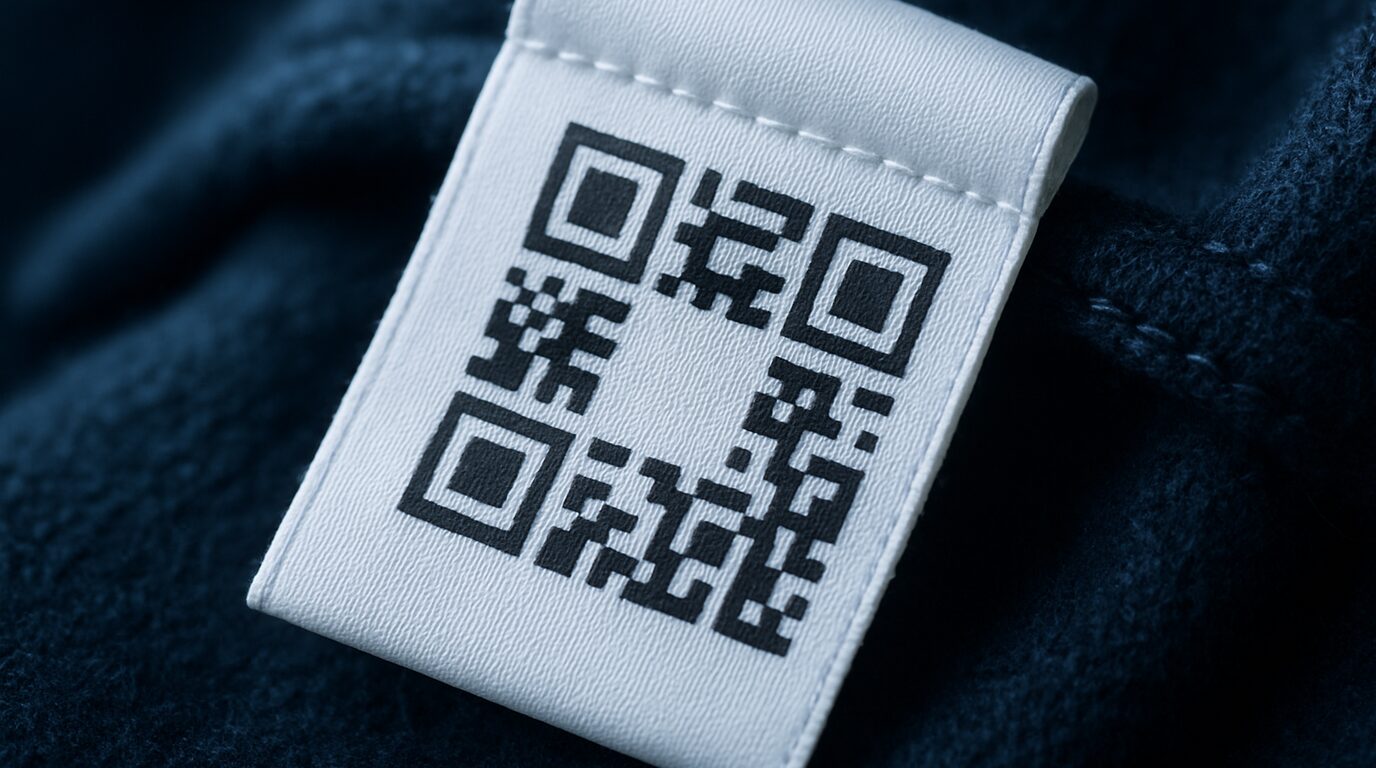
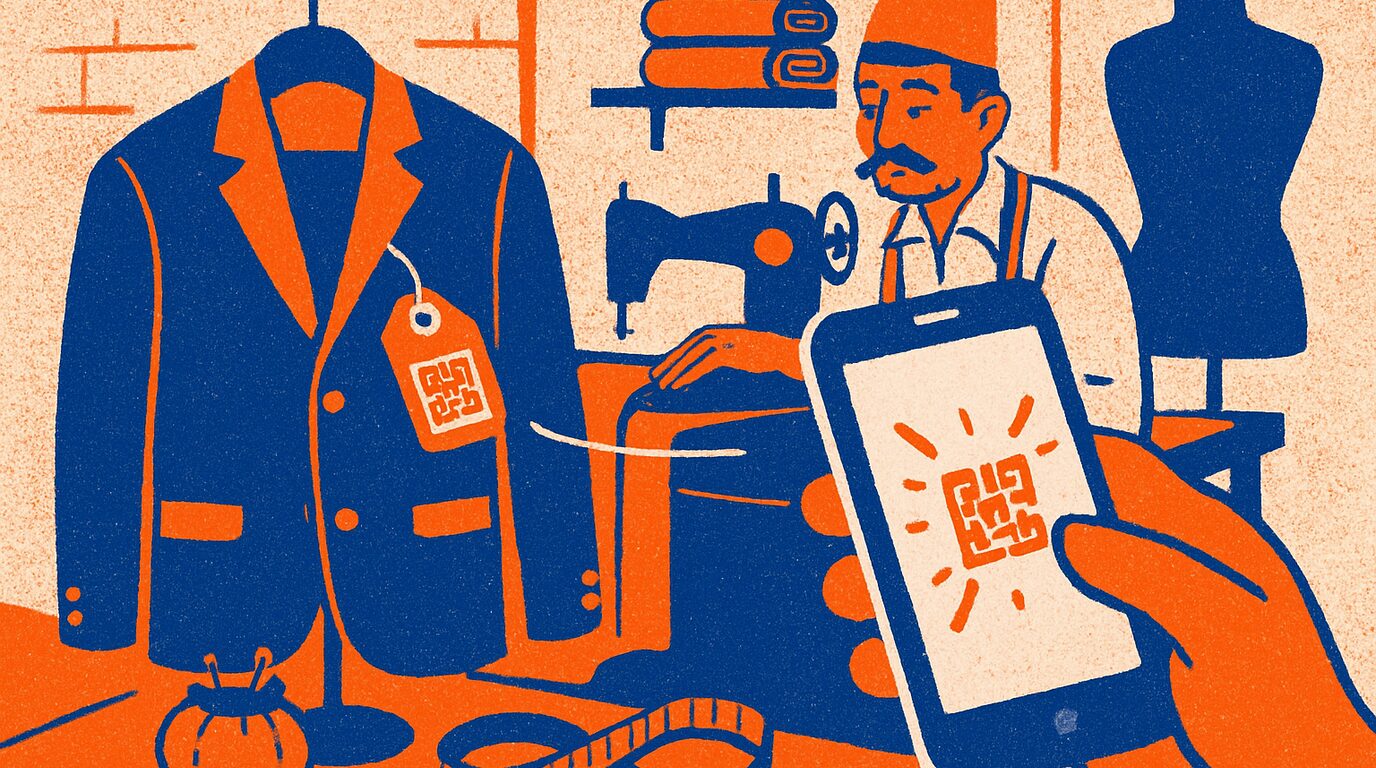
The passport comes from the EU's Ecodesign for Sustainable Products Regulation, in force since July 2024. Textiles are one of the first product groups on the list. The Commission is writing the textile-specific rules now, with the delegated act expected in 2027 and the passport requirement applying after a transition period. When it applies, a garment on an EU shelf needs a data carrier, in practice a QR code, that links to information on fibre composition, the production site, chemicals, durability, recycled content and repair instructions.
Read that list again from a buyer's chair. Every item on it is a question the buyer has to answer to their regulator, and every answer comes from the factory. The buyer cannot invent it. A factory that hands over the data in a usable form has just removed a headache the buyer is legally required to have.
Why Turkey is placed to win this
A passport needs a traceable chain, and traceability is easier when the chain is short. Turkey spins, knits, weaves, dyes and sews inside one country, often inside one province. A denim passport from Kahramanmaras fabric, Istanbul sewing and an Izmir wash is three data points on one truck. The same passport from a garment that used Chinese yarn, Vietnamese knitting and Bangladeshi sewing is a paper chase across three customs regimes. Short chains win here, and Turkey has one of the shortest in the world for a full-scale exporter.
On Lalaaji, verified factories put their certificates and audit dates on the profile where a buyer sees them before asking. A factory that can also show fibre and site data per style has an answer ready for the question buyers will ask next year. See how buyers vet sellers on Lalaaji.
Six pieces of data to start collecting per style
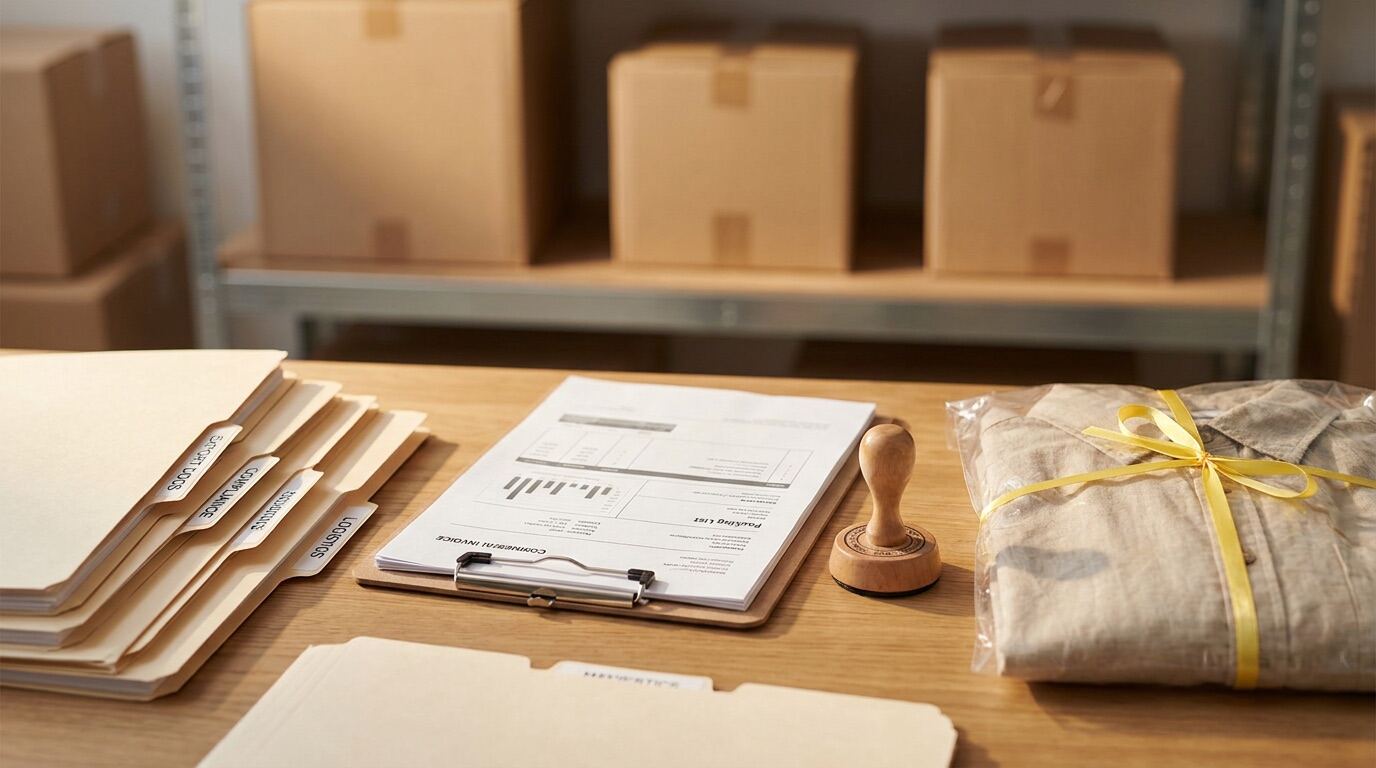
You do not need software to begin. You need a habit. For every style you ship to Europe, keep the following in one place so it can be handed over or uploaded when the format is fixed.
- Fibre composition by weight, with the mill and its country for each fabric.
- Recycled or organic content and the certificate that backs it (GRS, RCS, GOTS).
- The chemical management standard for dyeing and washing, with test reports (Oeko-Tex, ZDHC).
- The sewing site address and its latest social audit (BSCI, SEDEX, WRAP) with the date.
- A durability statement: wash count, pilling and colourfastness results from your lab.
- Care and repair notes: what a customer can do at home and which parts are replaceable.
That is a spreadsheet. It takes an afternoon per style the first time and ten minutes on repeats. Within a few years it will be a legal requirement. Right now it is a sales tool almost none of your competitors have.
One practical note on the mill data, because it is the piece factories most often lack. If you buy fabric from a Turkish mill, ask them for the composition and certificate sheet per lot and file it against the style. Mills in Bursa and Denizli already produce these for their larger customers, so the document exists. You simply have to ask for it every time, and keep it.
How to sell it before it is mandatory
Buyers are already being asked by their own boards and their larger retail customers what their passport plan is. Most have no answer. The factory that shows up with "here is the data pack we supply per style, in the fields the regulation names" has handed them one. Put it on your profile in plain words. Mention it in the first reply to an RFQ. Do not wait for the buyer to ask, because the buyer who asks has already found someone else who offered.
Turkish factories have spent a decade selling on duty-free access and four-day trucks. Those advantages are real and they are in why Turkish apparel factories have a head start in Europe. The passport is the next one, and unlike a tariff or a road, it rewards the factories that prepared. The wider set of EU rules coming for exporters is covered in the EU textile rules Chinese exporters need to prepare for, and the certificates buyers already check are in what it takes to be an export-ready apparel manufacturer.
Ready to show European buyers a factory that has its data in order? List your factory on Lalaaji.
Your questions answered
What is the EU Digital Product Passport for textiles?
A requirement under the EU Ecodesign for Sustainable Products Regulation, in force since July 2024, for garments sold in the EU to carry a data carrier such as a QR code linking to information on fibre composition, production site, chemicals, durability, recycled content and repair. The textile-specific rules are expected in a delegated act around 2027, with the passport applying after a transition.
What data should a factory start collecting now?
Per style: fibre composition with mill and country, recycled or organic content with its certificate, the chemical standard and test reports for dyeing and washing, the sewing site and its latest social audit date, lab results for durability, and care and repair notes.
Why does the passport favour Turkish factories?
The passport needs a traceable chain, and Turkey spins, knits, dyes and sews inside one country. A short chain is far easier to document than a garment made from yarn, fabric and sewing in three different countries.