













Selling apparel from China into Europe is a different job from selling it into the United States. The duty is 12 percent on most lines with no Section 301 surcharge, the orders are smaller and more frequent, the compliance questions come earlier, and the buyer expects to pay through a structure that protects both sides. A factory in Guangdong or Zhejiang that has spent twenty years serving American importers can do very well in Europe, provided it stops treating a Berlin brand like a Los Angeles one.
The European Union imports more clothing than any other market in the world, and China remains its single largest supplier despite years of headlines about diversification. The share has slipped as Bangladesh gained, but the volume is still enormous. The factories losing ground in Europe are not losing to price. They are losing to suppliers who understood the European way of ordering sooner.
Smaller orders, more of them
An American mass retailer places one order for 200,000 units and expects a price to match. A mid-size European brand places 3,000 units across four colourways, then reorders the two that sold. The European market is fragmented by country, by language, by size curve, and by season, and the brands that serve it are fragmented too. A factory built around a 50,000-piece minimum will find the European market empty. A factory that can run 500 pieces per colour and still make money will find it full.
Set your MOQ for Europe, publish it, and hold to it. The long-run price you gave the US buyer is irrelevant here; what matters is a clear price at 1,000 units and a reorder lead time the buyer can plan around. We go deeper on this in how Chinese factories win the MOQ-sensitive European brand.
Compliance comes up in the first conversation
American buyers ask about compliance after price. European buyers ask about it before. Expect questions on Oeko-Tex and REACH restricted substances, on BSCI or SMETA social audits, and increasingly on where your cotton comes from. The EU Forced Labour Regulation applies from 14 December 2027, and a European brand sourcing from China is already asking its suppliers for fibre origin documentation now, two seasons ahead, because its own customs broker will demand it then. The full set of rules that land between now and 2028 is in EU textile rules Chinese exporters need to prepare for.
Do not treat this as paperwork to be produced on request. Put the certificates and audit dates on your profile. A buyer comparing three Chinese factories will shortlist the one whose compliance is visible before the first email.
On Lalaaji, verified factories show their certifications and audit status on the profile a buyer sees when an RFQ is answered. That is the first check most European buyers make. See how RFQs reach sellers.
Payment terms and who takes the risk
A 30 percent deposit with 70 percent against the bill of lading is standard with US importers who have worked with China for decades. A first-time European buyer, particularly a smaller brand, will resist wiring a deposit to a factory it has never visited, and the fear is reasonable. The European press is full of stories about deposits sent to Alibaba suppliers that never shipped. Offering a payment structure where the money is held until the buyer confirms the goods removes the argument, and it is the single most effective thing a Chinese factory can do to convert a European first order. How our payment protection handles this is worth reading before you quote.
Shipping and duty are the buyer's problem, so help with them
| Mode | Port to port | When it makes sense |
|---|---|---|
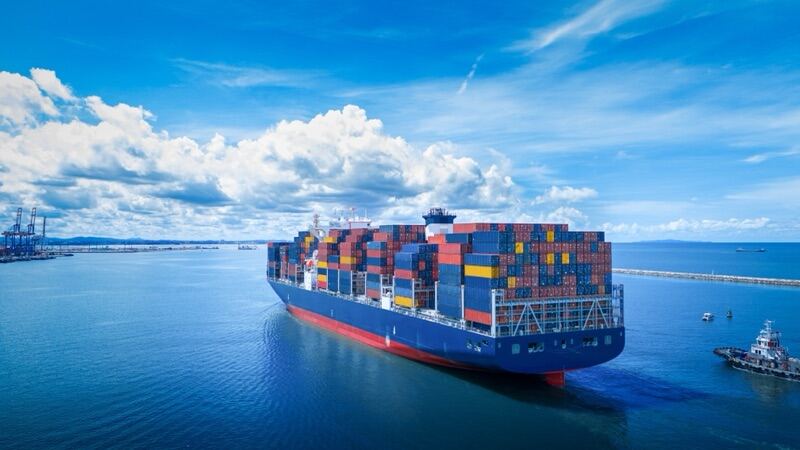
| Sea, FCL or LCL, Shenzhen or Ningbo to Rotterdam | 35 to 50 days | Bulk orders with a planned calendar |
| Rail, Yiwu or Xi'an to Duisburg | 12 to 20 days | Mid-size reorders where sea is too slow and air too dear |
| Air, Guangzhou or Shanghai to Frankfurt or Amsterdam | 3 to 7 days | Samples, launch stock, fixing a missed date |
Quote FOB by default, but be ready to quote DDP for a small brand that has never imported before. The 12 percent duty plus VAT at the border is a shock the first time, and a factory that can explain the landed cost in one email wins trust the competitor never gets a chance to earn. The buyer-side arithmetic is laid out in landed cost for apparel into the EU.
Competing with Turkey and Pakistan on their home ground
In Europe you are not competing with Vietnam alone. Turkey ships duty-free under the Customs Union and delivers by truck in a week. Pakistan ships duty-free under GSP+. Against a 12 percent duty and a five-week sea voyage, the Chinese pitch has to be fabric depth, technical complexity, and range, exactly the strengths we describe in how Chinese apparel factories can compete beyond price. A European brand making performance outerwear, technical knits, or anything with ten components from eight suppliers still finds China the easiest place to get it made. Sell that, and let the price follow.
Want European brands to find a Chinese factory that already speaks their language on MOQ, compliance, and payment? List your factory on Lalaaji.
Your questions answered
What import duty does the EU charge on clothing from China?
The EU applies its most-favoured-nation rate of 12 percent on most finished apparel (HS chapters 61 and 62) from China, plus VAT at the destination country's rate. There is no additional Section 301-style surcharge in the EU.
How long does shipping take from China to Europe for garments?
Sea freight from Shenzhen or Ningbo to Rotterdam typically takes 35 to 50 days port to port, depending on whether the ship routes via Suez or the Cape. Rail from Yiwu or Xi'an to Duisburg takes around 12 to 20 days terminal to terminal. Air freight takes 3 to 7 days and is used for samples and urgent stock.
What do European buyers ask Chinese factories for before ordering?
Restricted substance test reports such as Oeko-Tex or REACH, a current social audit such as BSCI or SMETA, fibre origin documentation ahead of the EU Forced Labour Regulation applying in December 2027, a clear MOQ, and a payment structure that protects the deposit.