








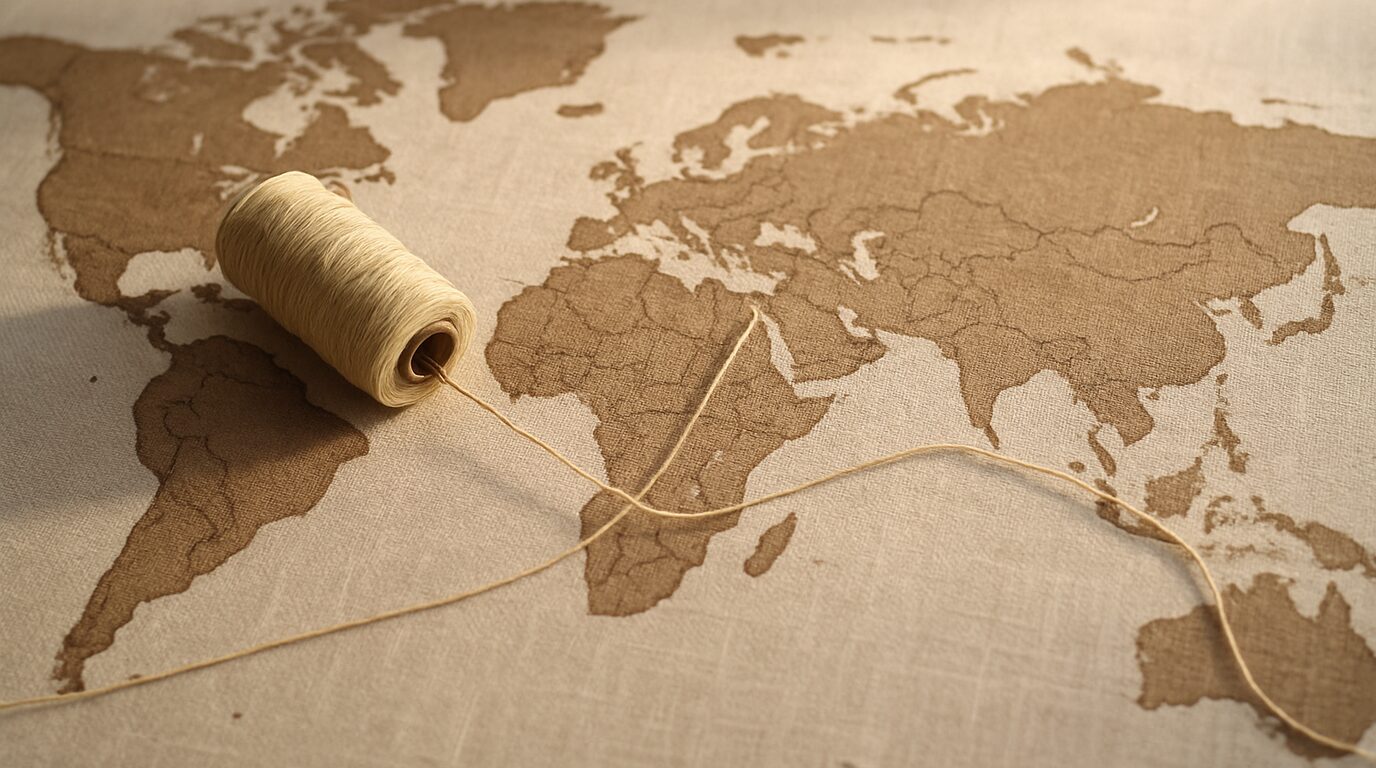
Clothing manufacturers in Pakistan are the strongest option in Asia for a European brand that needs denim, cotton knitwear, towelling, or sportswear, and wants it duty-free. Pakistan is one of the few countries that grows the cotton, spins it, weaves or knits it, and sews the garment inside its own borders, and under the EU's GSP+ scheme most of that output enters Europe at zero duty. What the country does not have is a polished sales layer, so the factory that is perfect for you is often the one with the worst website. This guide is about finding it anyway.
Where the factories are
Three cities do most of the work. Faisalabad is the textile capital: cotton spinning, weaving, home textiles, and a large base of knitwear and denim garment factories. Lahore is where much of the branded denim and fashion-oriented garment production sits, alongside the head offices of the big vertical groups. Karachi holds the largest export groups, the port, and a long tradition of knitwear, denim, and home textiles for the European market. Sialkot is a special case: it is one of the world's best-known sports goods and sportswear clusters, from footballs to cycling kit to martial arts uniforms, and it serves European sports brands directly. If you make athletic apparel, Sialkot is where you start. The cluster-by-cluster detail is in Faisalabad and Sialkot to Europe.
What Pakistan does best
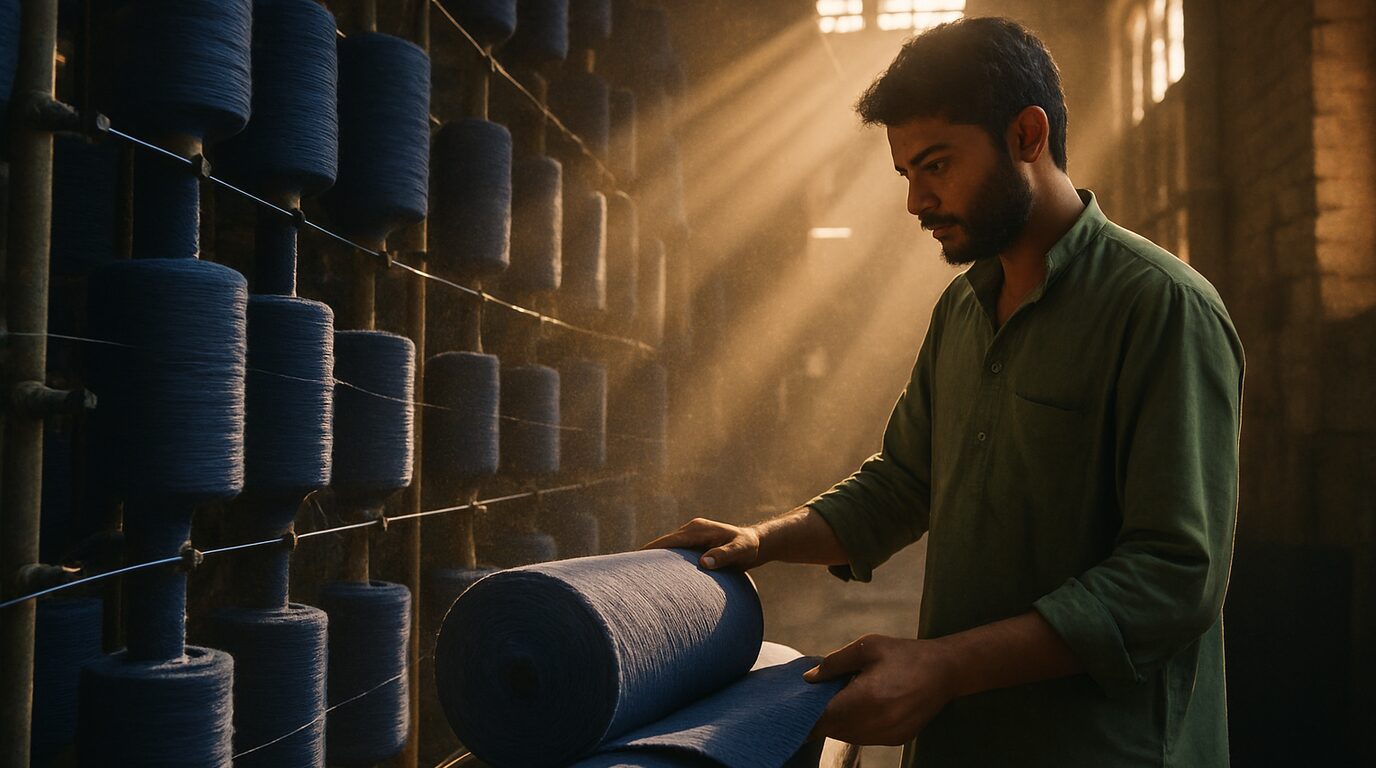
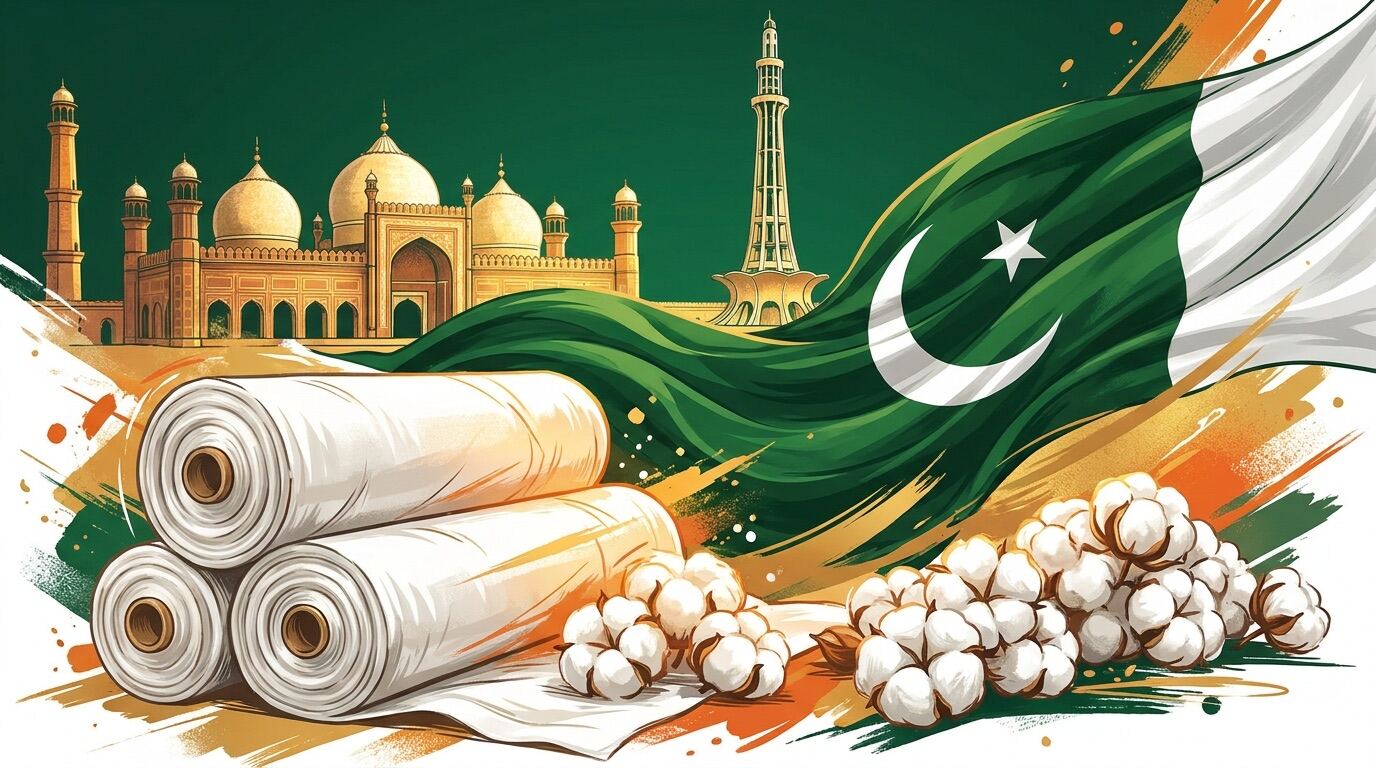
Cotton is the answer, and everything follows from it. Pakistani mills weave some of the best-value denim in the world, and the garment factories that sit on top of them can quote a five-pocket jean with the fabric, the wash, and the sewing all under one roof or one group. The same vertical logic makes the country strong in cotton jersey basics, fleece, terry, and workwear. Where Pakistan is weaker is synthetics and technical construction, because the fabric has to be imported and the factories have less experience with bonded and taped work. For that, look at Vietnam.
| Category | Pakistan's position | Notes for a European buyer |
|---|---|---|
| Denim jeans and jackets | Very strong | Vertical mills in Lahore, Karachi, Faisalabad; laundries on site |
| Cotton T-shirts, hoodies, fleece | Very strong | Competitive from about 1,000 pieces; excellent at 5,000 plus |
| Sportswear and teamwear | Very strong | Sialkot; sublimation, cycling, football kit, gym wear |
| Towels, bedding, home textiles | Very strong | Faisalabad and Karachi; Pakistan is among the largest suppliers to the EU |
| Workwear and uniforms | Strong | Cotton and poly-cotton twills; EN certification available at the larger groups |
| Technical outerwear, performance synthetics | Weak | Fabric imported; construction experience thinner than Vietnam |
What minimums and lead times to expect
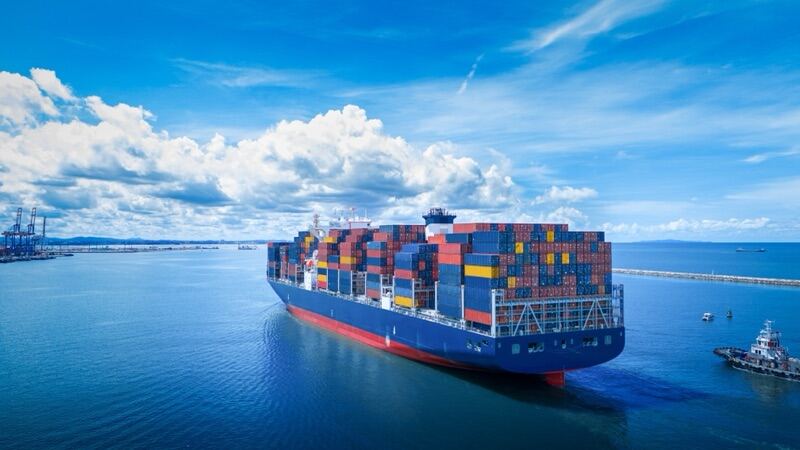
Pakistan is friendlier to small brands than Vietnam or China. Plenty of decent factories will run 500 to 1,000 pieces per style on stock fabric, and Sialkot's sportswear workshops go lower still for sublimated or custom kit. For denim with a custom wash, expect 1,000 to 2,000 pieces because the fabric and laundry set-up cost the same whether you make 500 or 5,000. Lead time from approved sample to ex-factory is 45 to 75 days, faster on stock fabric, and sea freight from Karachi to Rotterdam takes 30 to 40 days with the current Cape routing. Air freight is realistic for a first sample run because the volumes are small.
What the duty position looks like
Under GSP+ almost all Pakistani apparel enters the EU at zero duty, and the UK's Developing Countries Trading Scheme gives the same zero rate into Britain. Compare that with the 12% you pay on a Chinese hoodie and the cost case for Pakistan is short. The preference depends on a valid REX registration and the right origin statement on the invoice; ask for it before the first order, because it is the first thing your customs broker will ask you for. The country by country rates are in our EU and UK import duty cheat sheet.
How to vet a Pakistani factory from Europe
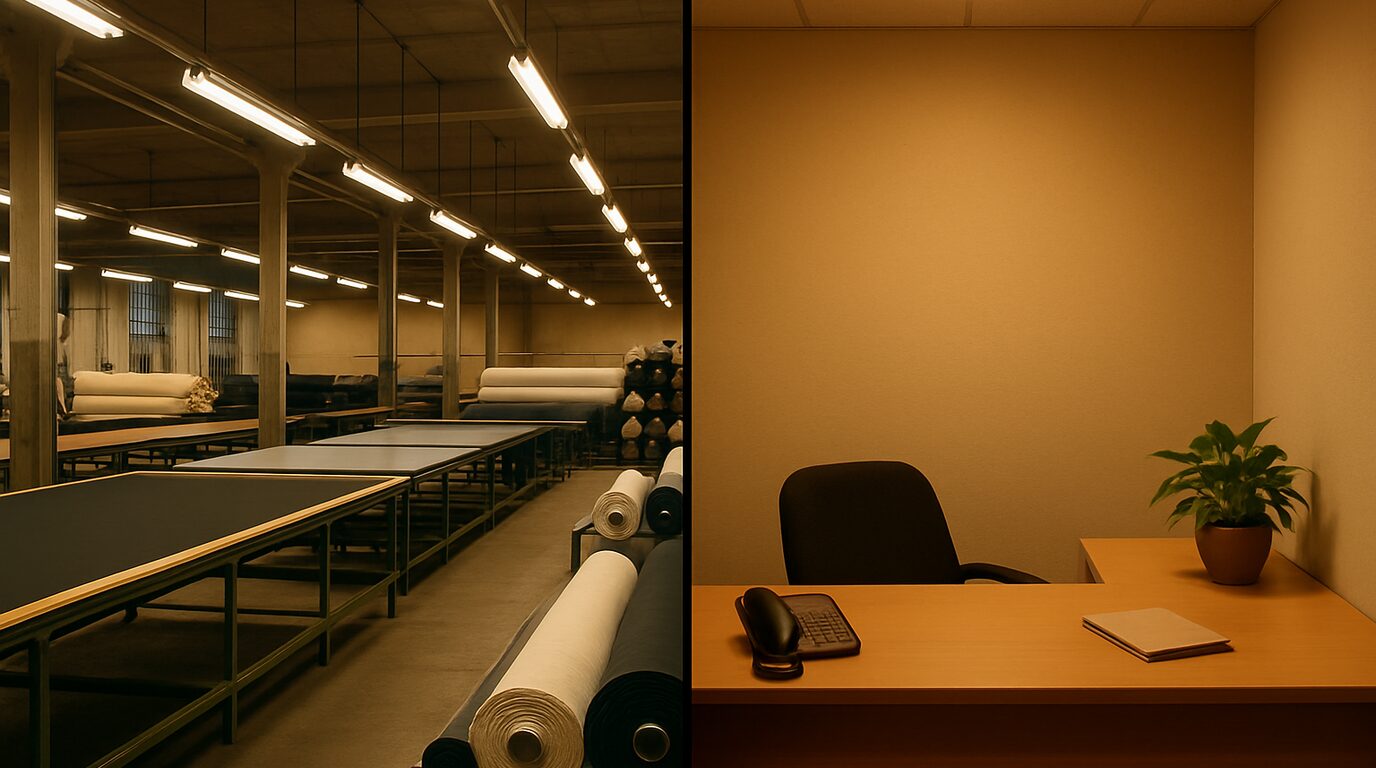
Pakistani factories are, on average, better than they look online. A 60-worker plant in Faisalabad with excellent sewing and a BSCI audit will often have a three-page website from 2016 and a WhatsApp number. The reverse is also true: a slick English website with a Karachi address is frequently a trading office. So vet the building, and do not vet the website.
- Ask for the factory's registration with the Pakistan Hosiery Manufacturers and Exporters Association, the All Pakistan Textile Mills Association, or the relevant Sialkot chamber. Members are real plants.
- Check the BSCI, SEDEX, or WRAP audit is in the same legal name as the invoice.
- Ask for a live video walk of the sewing floor, the cutting room, and, for denim, the laundry.
- Ask which European customers they have shipped to in the last twelve months, and call one.
- Protect the first payment. Use a channel that holds funds until the goods pass inspection.
We wrote the factory's side of this check in how buyers vet apparel manufacturers, and the specific GSP+ conventions a good factory should be able to talk about are in the GSP+ compliance checklist.
Verified factories in Faisalabad, Lahore, Karachi, and Sialkot answer briefs on Lalaaji, with their audits and REX status on the profile. Post your RFQ and compare real quotes, with your payment protected until delivery.
Is Pakistan the right country for your order?
If your product is cotton, and especially if it is denim, jersey, fleece, or teamwear, Pakistan gives you Asian pricing with European duty treatment and a factory base that will take a 1,000-piece order seriously. Communication is the thing to manage: reply times are fast, but spec discipline varies, so send a tech pack and confirm every detail in writing. Do that and you will find it one of the easiest countries in Asia to build a repeat account in. If you make technical synthetics, read clothing manufacturers in Vietnam first.
Your questions answered
What are clothing manufacturers in Pakistan best at?
Cotton products: denim jeans and jackets, T-shirts, hoodies and fleece, towels and home textiles, and sportswear and teamwear from Sialkot. Pakistan is weaker in technical synthetics because the fabric has to be imported.
What minimum order do Pakistani garment factories accept?
Many factories will run 500 to 1,000 pieces per style on stock fabric, and Sialkot sportswear workshops go lower for custom kit. Denim with a custom wash usually needs 1,000 to 2,000 pieces.
Is there import duty on clothing from Pakistan into the EU?
No. Under the EU's GSP+ scheme almost all Pakistani apparel enters at zero duty, and the UK's Developing Countries Trading Scheme gives the same zero rate. The factory needs a valid REX registration and an origin statement on the invoice.