











Clothing manufacturers in Vietnam are the right choice for a European brand that needs technical outerwear, activewear, or clean cut-and-sew basics at export quality, and that can live with a first order of a few thousand pieces. The country is one of the world's three largest apparel exporters, its factories have spent two decades building for demanding American and Japanese brands, and under the EVFTA, in force since 2020, most of what they make can now enter the EU duty-free. The difficulty is the one you meet everywhere in Asia: finding the factory that actually sews your product, and telling it apart from the trading company that says it does.
Where the factories are
Vietnamese garment production sits in two clusters. The south, around Ho Chi Minh City and the neighbouring provinces of Binh Duong, Dong Nai, and Long An, holds the largest concentration of export factories and most of the foreign-owned plants that serve global sportswear and outdoor brands. The north, around Hanoi, Hai Phong, Nam Dinh, and Hung Yen, grew later and is stronger in knitwear, uniforms, and the larger Korean and Taiwanese-owned facilities. Da Nang and the central coast are a smaller third pocket. If your product is technical or performance-led, start your search in the south. If it is knits at volume, look north.
What Vietnam does best
Ask a sourcing manager who has worked both countries and they will tell you Vietnam sews better than it weaves. The strength is in assembly: complex seams, bonded and taped constructions, jackets with fourteen components, and anything where the finish is what the customer pays for. That is why the outdoor and athletic sector, brands like the ones you compete with on Zalando, moved so much production there. Fabric is the weak spot. A large share of woven cloth is still imported from China, Korea, and Taiwan, which matters for your duty position and is covered in EVFTA rules of origin for garments.
| Category | Vietnam's position | Notes for a European buyer |
|---|---|---|
| Outerwear and technical jackets | Very strong | Deep bench of factories trained by outdoor brands; expect higher MOQs |
| Activewear and performance knits | Very strong | Good on synthetics; whole-garment knitting and bonded work available in the south |
| Woven shirts and trousers | Strong | Fabric usually imported; check origin if you want zero duty |
| Basic T-shirts and fleece | Strong | Competitive at 5,000 pieces and up; less so below |
| Denim | Moderate | Capacity exists but Pakistan and Turkey are usually cheaper and faster |
| Fashion knitwear | Moderate | Northern cluster; China still leads on yarn variety |
What minimums and lead times to expect
Vietnamese factories were built for programme business, so they are not the natural home of the 300-piece test order. A realistic first order from a proper export factory is 1,000 to 3,000 pieces per style, often with 500 per colour, and the large plants that serve the global brands will not talk to you below 5,000. Smaller workshops exist and will take less, but you are then buying from a subcontractor with thinner compliance paperwork. Lead time from confirmed sample to ex-factory runs 60 to 90 days, then 35 to 40 days by sea to Rotterdam or Hamburg. Budget four to five months from first contact to goods in your warehouse, and longer if your fabric has to be developed.
What the duty position looks like
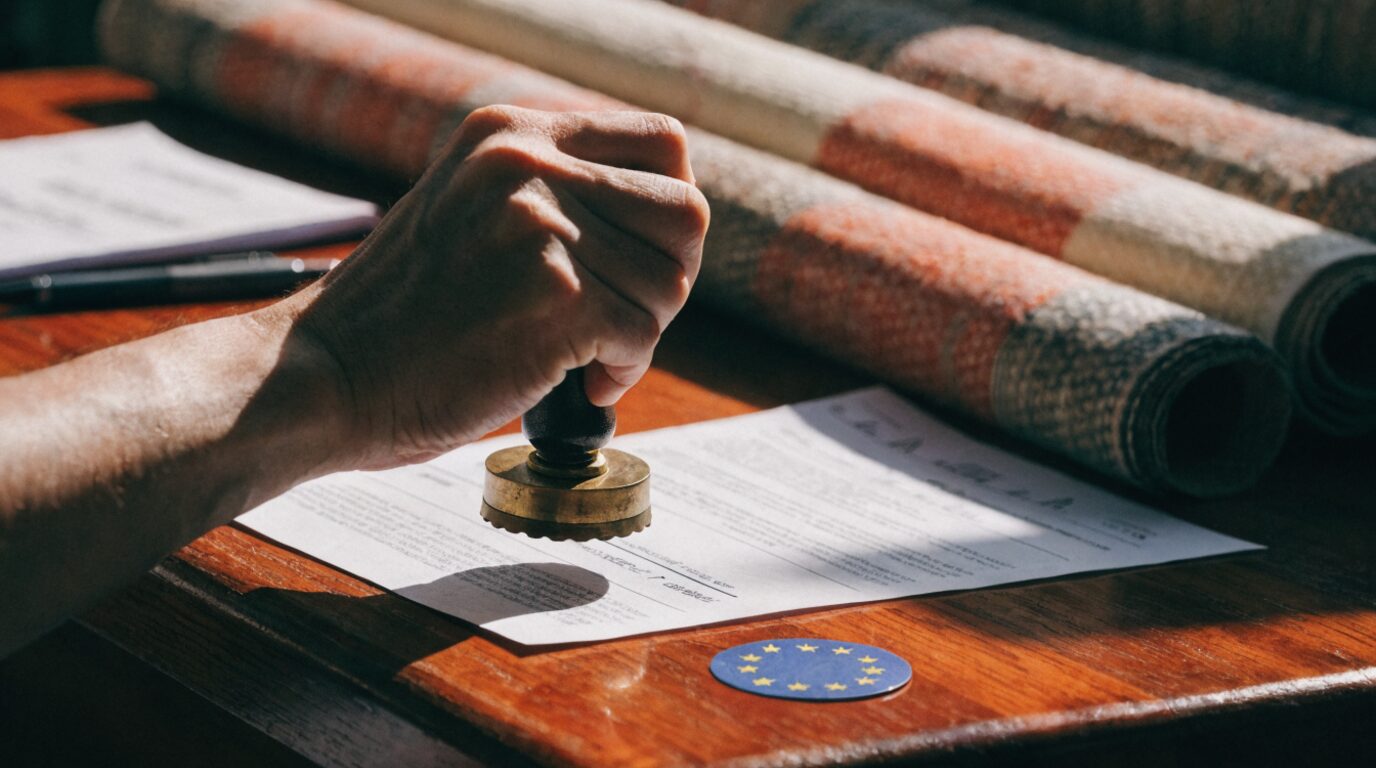
Under the EU-Vietnam Free Trade Agreement most apparel now enters the EU at zero duty, with the last lines reaching zero by 2027, against the 12% you pay on the same jacket from China. The preference depends on the fabric rule of origin, so a factory sewing Chinese cloth does not automatically qualify. Ask for the EUR.1 or origin declaration up front and put the duty saving in your landed cost comparison, where it usually decides the case. The full arithmetic is in landed cost for apparel into the EU.
How to vet a Vietnamese factory from Rotterdam
Vietnam has a real compliance culture, which makes vetting easier than it sounds. Most serious exporters hold WRAP, BSCI, or SEDEX audits and Oeko-Tex on the product, and Higg FEM reporting is common among the larger plants. Your job is to confirm the paperwork belongs to the building you are buying from.
- Ask for the business registration and match the name to the audit certificate and to the entity on the proforma invoice. Three different names means a trading company sits in between.
- Ask for a video walkthrough of the line that will sew your product, live, on a working day.
- Request two customer references in Europe or Japan and actually call them.
- Get the fabric origin in writing before you rely on the EVFTA saving.
- Pay the first order through a channel that holds your money until the goods are inspected.
Most of this is the same check you would run on any supplier, and we wrote it up from the factory's side in how buyers vet apparel manufacturers. The trading company question deserves its own read: factory or trading company.
Verified Vietnamese factories answer briefs on Lalaaji, with their audits and fabric sourcing on the profile. Post your RFQ and compare quotes side by side, with your payment protected until delivery.
Is Vietnam the right country for your order?
If you make technical product, or anything where construction quality is the selling point, and your volumes are in the thousands, Vietnam should be at the top of your list. If you need a 500-piece run in six weeks, it usually should not be; Turkey will serve you better, and the comparison across the four main sourcing countries is laid out in where to make your product, by category and order size. Vietnam rewards brands that commit. Turn up with a clear spec and a real programme and the good factories will take you seriously.
Your questions answered
What is the minimum order quantity at a Vietnamese clothing factory?
A proper export factory in Vietnam usually asks for 1,000 to 3,000 pieces per style, with around 500 per colour. The large plants serving global brands start at 5,000. Smaller workshops take less but carry thinner compliance paperwork.
How long does it take to produce and ship clothing from Vietnam to Europe?
Expect 60 to 90 days from approved sample to ex-factory, then 35 to 40 days by sea to Rotterdam or Hamburg. Four to five months from first contact to goods in your warehouse is a realistic plan.
Do clothes made in Vietnam enter the EU duty-free?
Most apparel enters the EU at zero duty under the EU-Vietnam Free Trade Agreement, with the last lines reaching zero by 2027, compared with 12% on the same garment from China. The preference depends on the fabric meeting the rule of origin, so confirm the fabric source and ask for the EUR.1 or origin declaration.