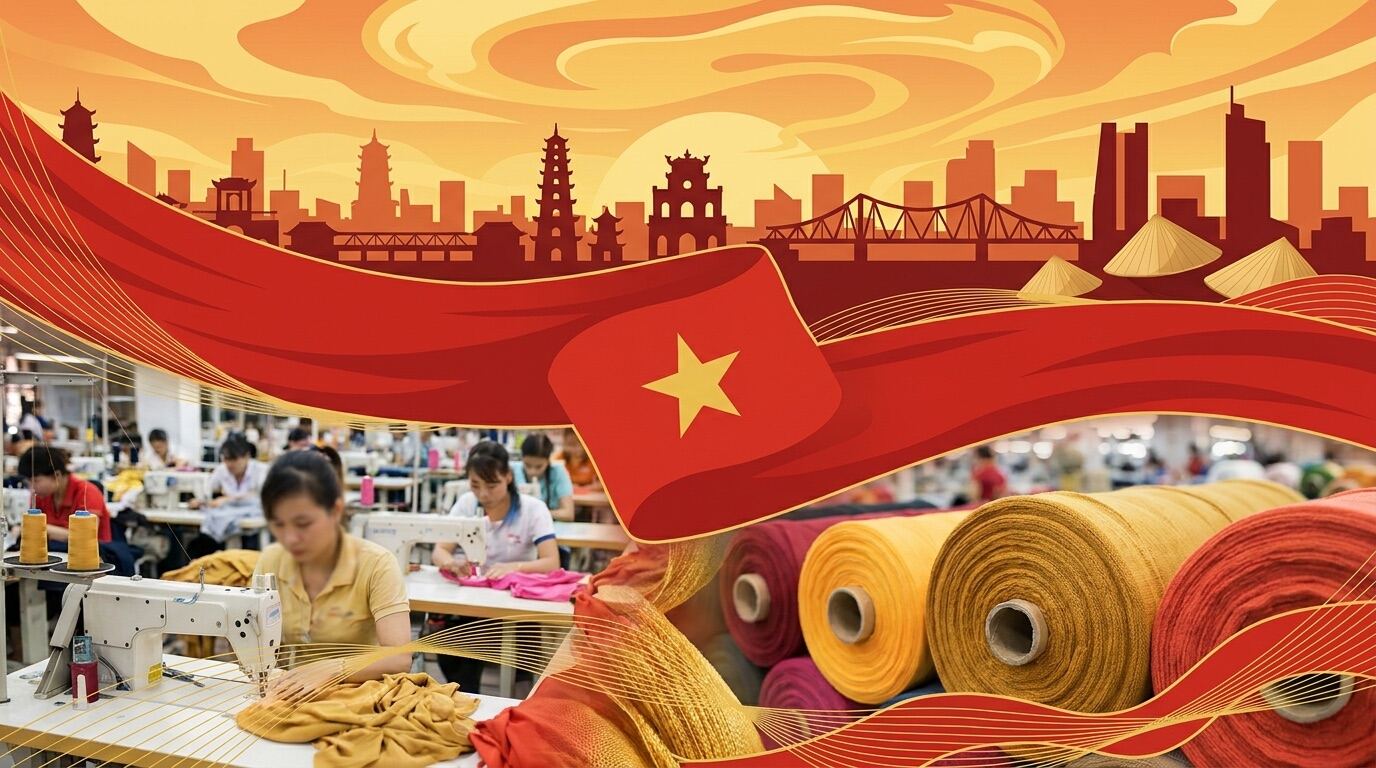












The EVFTA rule of origin for garments is a double transformation rule. To ship a garment into the EU at the preferential duty, the fabric must be woven or knitted in Vietnam (or the EU, or South Korea under cumulation) and the garment must be cut and sewn in Vietnam. Buying finished cloth from China, sewing it in Binh Duong, and calling it Vietnamese does not qualify. That one sentence is the whole reason many Vietnamese factories still cannot offer a European buyer the duty saving the agreement promised them.
Since the agreement entered into force in August 2020, the EU has stepped its 12% MFN duty on finished apparel down toward zero, line by line. Most garment lines are already at zero and the last of them get there in 2027. For a buyer in Hamburg comparing a Vietnamese quote against a Chinese one at full duty, that is a 12% gap before anyone talks about price. Factories that can claim it win the comparison. Factories that cannot are quoting like a Chinese supplier with longer lead times.
What "double transformation" means on your production floor
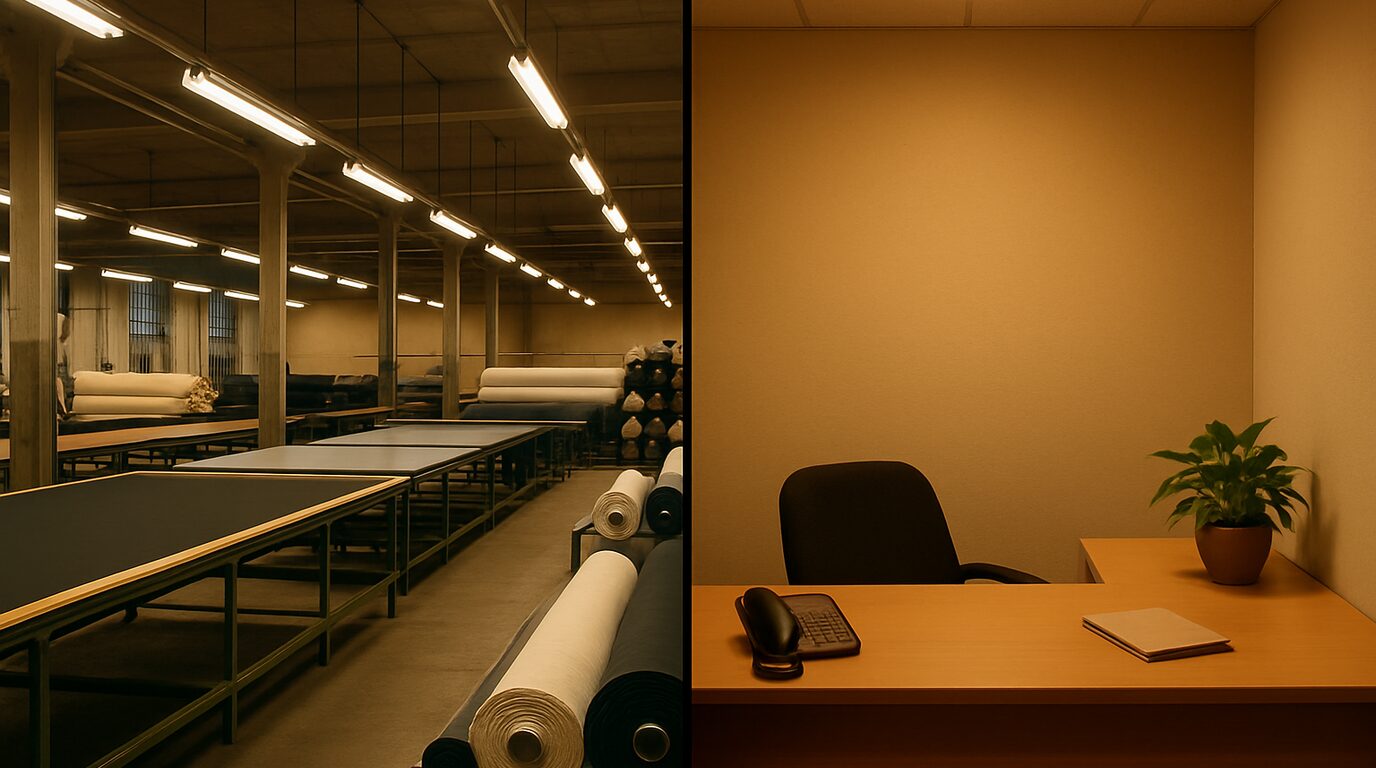
The rule counts two processing steps. Step one is fabric formation: weaving, knitting, or otherwise forming the fabric from yarn. Step two is making up: cutting, sewing, and finishing the garment. Both steps have to happen inside Vietnam, the EU, or a cumulation partner. The yarn itself can come from anywhere, so a knitter in Nam Dinh working with Chinese or Indian yarn is fine. What is not fine is importing the fabric.
This is a fabric-forward rule and it was written that way on purpose. The EU wanted the agreement to pull fabric investment into Vietnam, and it has. Vietnam still imports a large share of its woven fabric, most of it from China, and that is the gap the agreement rewards you for closing.
Where the cumulation with South Korea helps you
The agreement allows fabric produced in South Korea to count as originating, because the EU has its own FTA with Korea. In practice this is the most useful escape hatch in the whole chapter. Korean mills supply a wide range of synthetics and performance fabrics that Vietnamese mills do not yet make at scale. A factory that sources its polyester shell fabric from Korea and sews in Vietnam ships duty-free into the EU. The same fabric bought from a Chinese mill does not.
Ask your fabric supplier for an origin certificate before you assume anything. Plenty of "Korean" fabric traded in Ho Chi Minh City is finished in Korea but formed elsewhere, and only the formed fabric counts.
Which document the buyer needs at the EU border
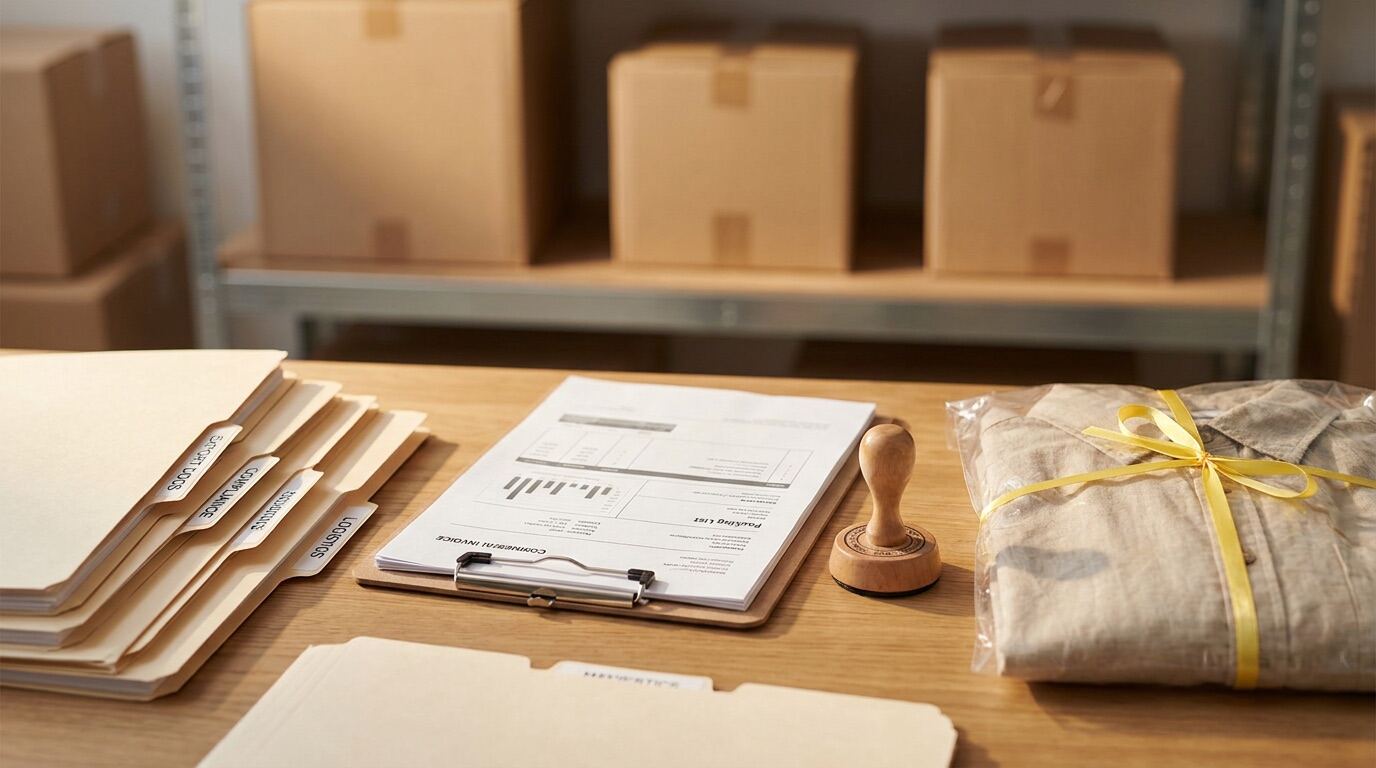
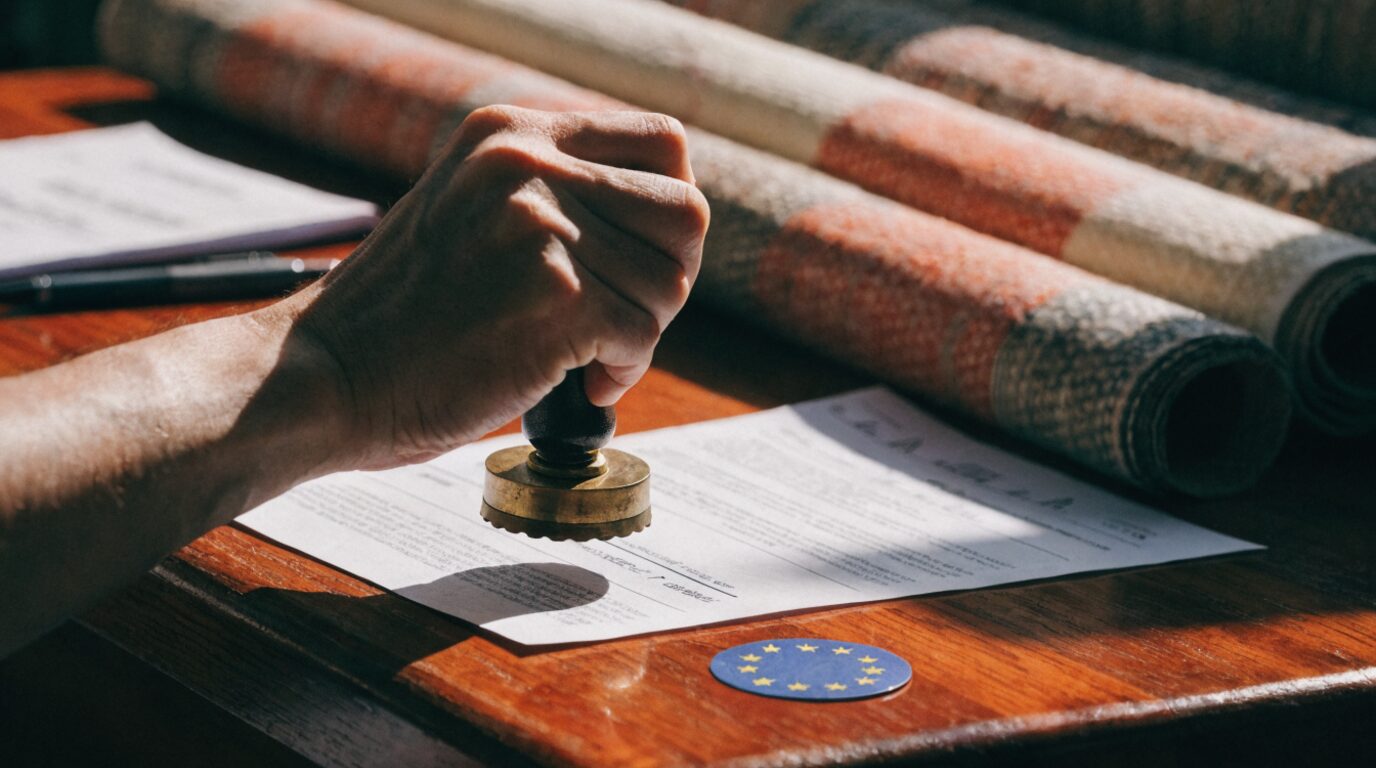
The preference is claimed by the importer, using proof that you provide. For consignments above 6,000 euros, that proof is a EUR.1 movement certificate, issued by the authority Vietnam's Ministry of Industry and Trade designates for that purpose. Below 6,000 euros, an origin declaration on your invoice is enough. The certificate has to match the invoice, the packing list, and the HS codes on the customs declaration exactly. A mismatch in the HS code is the most common reason a duty claim is refused, and the buyer pays the 12% while the paperwork is sorted.
- EUR.1 issued for the specific shipment, with the correct HS heading per style
- Supplier declarations for every fabric lot, showing where the fabric was formed
- Production records linking fabric lots to finished styles, kept for at least three years
- A commercial invoice and packing list whose descriptions match the certificate word for word
How to use origin in your quote
Here is the pitch that works. When a European buyer sends a request, quote the FOB price and, on the next line, the duty rate the buyer will pay at the border: zero. Then say why, in one sentence: fabric knitted in Vietnam, garment sewn in Vietnam, EUR.1 issued per shipment. Most buyers have never had a supplier do that maths for them. Doing it moves you from "another Vietnamese quote" to the supplier who obviously knows the European market.
On Lalaaji, European buyers post what they need and verified factories quote. A Vietnamese factory that states its EVFTA position in the quote gets shortlisted faster. See how RFQs reach sellers.
What to fix if you cannot meet the rule today
Be honest with yourself about which styles qualify. Knitwear is usually the easy win, since Vietnam has strong circular and flat knitting capacity and the fabric is often formed in the same industrial zone as the sewing. Wovens are harder, especially fashion wovens in small lots. A sensible plan is to make your knit range fully EVFTA-compliant first, sell that story hard in Europe, and move woven fabric sourcing to Vietnamese or Korean mills style by style as volume justifies it.
The factories pulling ahead did exactly that, and the wider picture of how Vietnamese factories are using their trade agreements is in how Vietnam's apparel factories can win more export orders. If your buyer is weighing you against a Chinese supplier, the argument you want to make is laid out in Vietnam vs China: what to tell a European buyer who is comparing you, and the wider list of paperwork a buyer expects is in what it takes to be an export-ready apparel manufacturer.
A factory that can say "zero duty, paperwork ready" to a European buyer has a 12% head start on every competitor that cannot. Almost no marketing spend buys you that.
Ready to put your EVFTA advantage in front of European buyers? List your factory on Lalaaji.
Your questions answered
What is the EVFTA rule of origin for clothing?
It is a double transformation rule. The fabric must be woven or knitted in Vietnam, the EU, or South Korea, and the garment must be cut and sewn in Vietnam. Yarn can come from anywhere, but imported fabric does not qualify.
Which document proves EVFTA origin at the EU border?
A EUR.1 movement certificate for consignments above 6,000 euros, or an origin declaration on the invoice for smaller consignments. The HS codes and descriptions must match the invoice and packing list exactly.
How much duty does EVFTA save on apparel?
The EU MFN duty on finished apparel is 12%. Under the EVFTA most garment lines from Vietnam are already at zero and the remaining lines reach zero by 2027, provided the rule of origin is met.