











When a European buyer compares a Vietnamese factory with a Chinese one, the honest answer is that China wins on fabric depth and complexity and Vietnam wins on duty, labour cost, and political comfort. Your job as a Vietnamese factory is to say that out loud, before the buyer works it out for themselves, and then show which of those things matter for their specific product. Buyers trust the supplier who describes the trade-off accurately. They do not trust the one who claims to beat China at everything.
This comparison happens far more often than it did five years ago. Brands that moved orders out of China for the US market are now asking the same question for Europe, and Vietnam is the first alternative most of them look at. Vietnam's textile and garment exports passed 44 billion US dollars in 2024, and a growing slice of that is European. So the buyer sitting across from you has already decided Vietnam is credible. What they want to know is whether you are.
Where China is still better, and why you should admit it
China has more fabric mills, trim makers, and finishers within an hour of a sewing floor than anywhere else in Asia. A Chinese factory can source an unusual jacquard, a specialist coating, or a matching zip in days. Vietnam still imports most of its woven fabric, much of it from China, which means a Vietnamese factory doing a complex woven style is often sewing Chinese cloth with a longer supply line in front of it. If a buyer's product is a technical outerwear piece with fourteen components, China is faster to sample. Say so. Then explain what you would do about it: which components you stock, which fabric you form locally, and how many days your sample takes on a realistic style.
Where Vietnam wins, in numbers the buyer can use
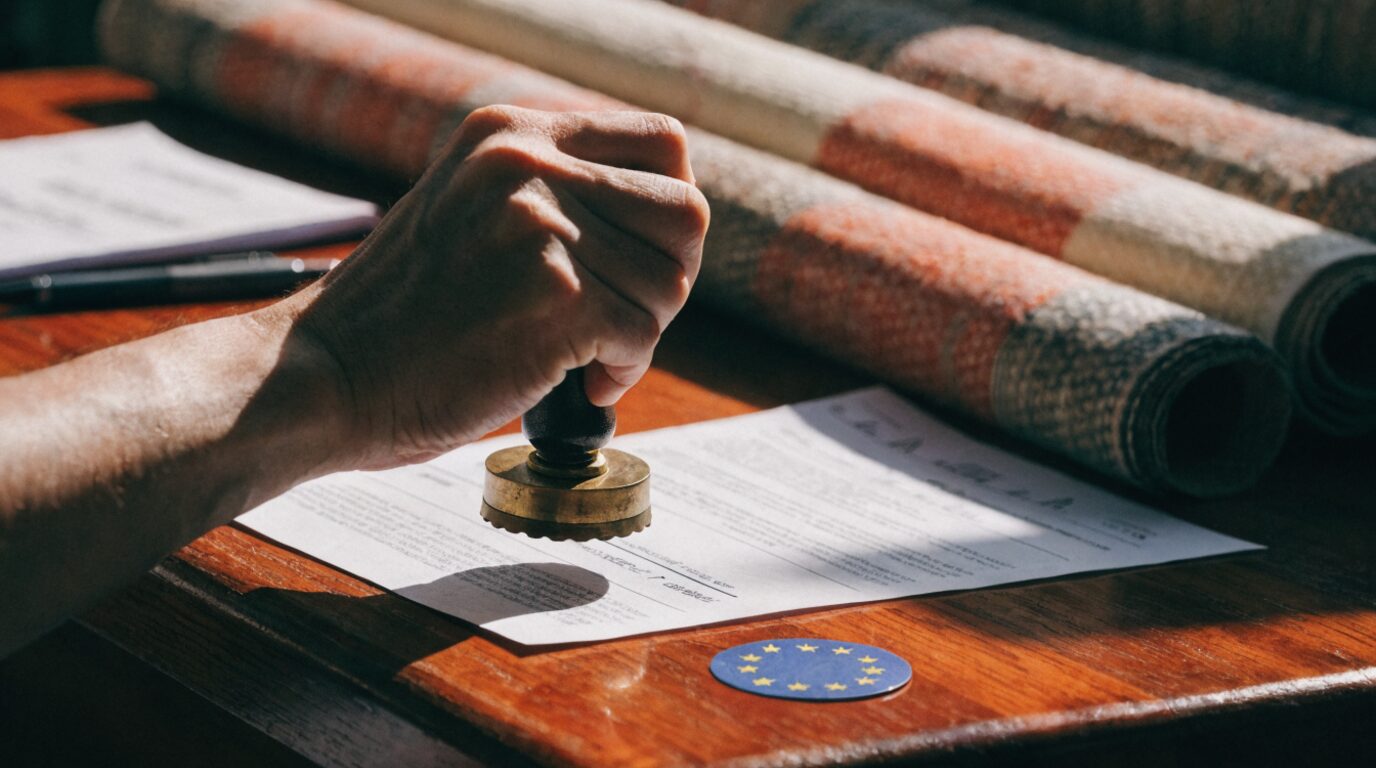
The strongest Vietnamese argument for a European buyer is duty. China pays the full 12% EU MFN tariff on finished apparel. Vietnam, under the EVFTA, pays zero on most lines already and zero on all of them by 2027, provided you meet the rule of origin. That gap survives every negotiation, because it is set by law and it lands on the buyer's landed cost line, where their finance team sees it. The second argument is wage cost, where Vietnam remains meaningfully lower than China's coastal provinces. The third is diversification: a European buyer with a China-heavy supplier base has a board asking about concentration risk, and a Vietnamese order is the answer to that question.
| Factor | China | Vietnam |
|---|---|---|
| EU import duty on finished apparel | 12% (MFN) | 0% on most lines under EVFTA, all lines by 2027 |
| Fabric and trim supply nearby | Deepest in the world | Strong in knits; wovens often imported |
| Sampling speed on complex styles | Fastest | Slower when fabric is imported |
| Labour cost | Higher, rising | Lower |
| Compliance posture | Variable; forced labour scrutiny on cotton | Strong Higg, WRAP, BSCI coverage |
| Buyer concentration risk | High for China-heavy brands | Reduces it |
How to answer "why not just stay in China?"
Answer it product by product. For a basic knit tee, a polo, a fleece hoodie, or a simple woven short, Vietnam is the better answer for a European buyer today: the fabric is often formed locally, the duty is zero, and the price lands lower. For a heavily engineered shell jacket in a novel fabric, China may still be the better first sample, and you can say that while offering to take the bulk run once the fabric is nominated. Buyers remember a supplier who told them where the line was. The detail of how the duty saving is claimed is in EVFTA rules of origin for garments, explained for factories, and it is worth having that page open when you write the quote.
On Lalaaji, buyers post requirements and compare quotes side by side. A Vietnamese quote that states the duty saving and the fabric origin plainly stands out against a Chinese quote that only states a price. See how RFQs reach sellers.
What Chinese factories are saying about you
It helps to know the other side's script. The Chinese pitch for Europe is capability and speed: hard things, fast. Some Chinese factories are also setting up sewing in Vietnam to combine both stories, which means the buyer has probably heard "Vietnamese origin, Chinese fabric" from someone else already. Your counter is that a Vietnamese-owned, Vietnamese-managed factory with locally formed fabric carries none of the origin ambiguity that a transplant operation does, and a customs officer in Rotterdam will care about that. We wrote up the Chinese side of the argument in how Chinese apparel factories can compete beyond price, and it is worth reading as the buyer would.
Prove it before they ask
A comparison ends the moment one side shows evidence. Put your audit dates, your Higg score, your EUR.1 issuance history, and your fabric sources on your profile where the buyer can see them without emailing you. The checklist buyers actually run is in how buyers vet apparel manufacturers. Most Vietnamese factories are better on paper than they look online, which is a fixable problem and a cheap one.
You do not need to beat China. Be the obvious choice for the products where Vietnam is already better, and honest about the rest. That is how a comparison becomes a first order.
Want European buyers comparing you on the facts that favour Vietnam? List your factory on Lalaaji.
Your questions answered
Is Vietnam cheaper than China for clothing manufacturing?
For a European buyer, usually yes on landed cost. Vietnamese labour costs are lower than China's coastal provinces and Vietnam ships most apparel into the EU at zero duty under the EVFTA, while China pays the 12% MFN tariff.
What does China still do better than Vietnam in apparel?
Fabric and trim depth. China has far more mills and finishers close to its sewing floors, so complex or unusual styles sample faster there. Vietnam still imports much of its woven fabric.
How should a Vietnamese factory answer a buyer comparing it with China?
By product. Claim the categories where Vietnam is already better, such as knits and basics with locally formed fabric, and be honest about complex wovens. Then prove it with audit dates, fabric origin, and EUR.1 history on your profile.