











Clothing manufacturers in Turkey are the best option for a European brand that needs small to medium runs, fast turnaround, and fashion-grade finishing, and is willing to pay typically 20 to 40% more per piece than it would in South Asia. A truck from Istanbul reaches the Netherlands in four to six days, the goods cross the EU border duty-free under the Customs Union, and the factories are used to working with brands that change their minds. For a twelve-person brand in Rotterdam, no other country combines those three things.
Where the factories are
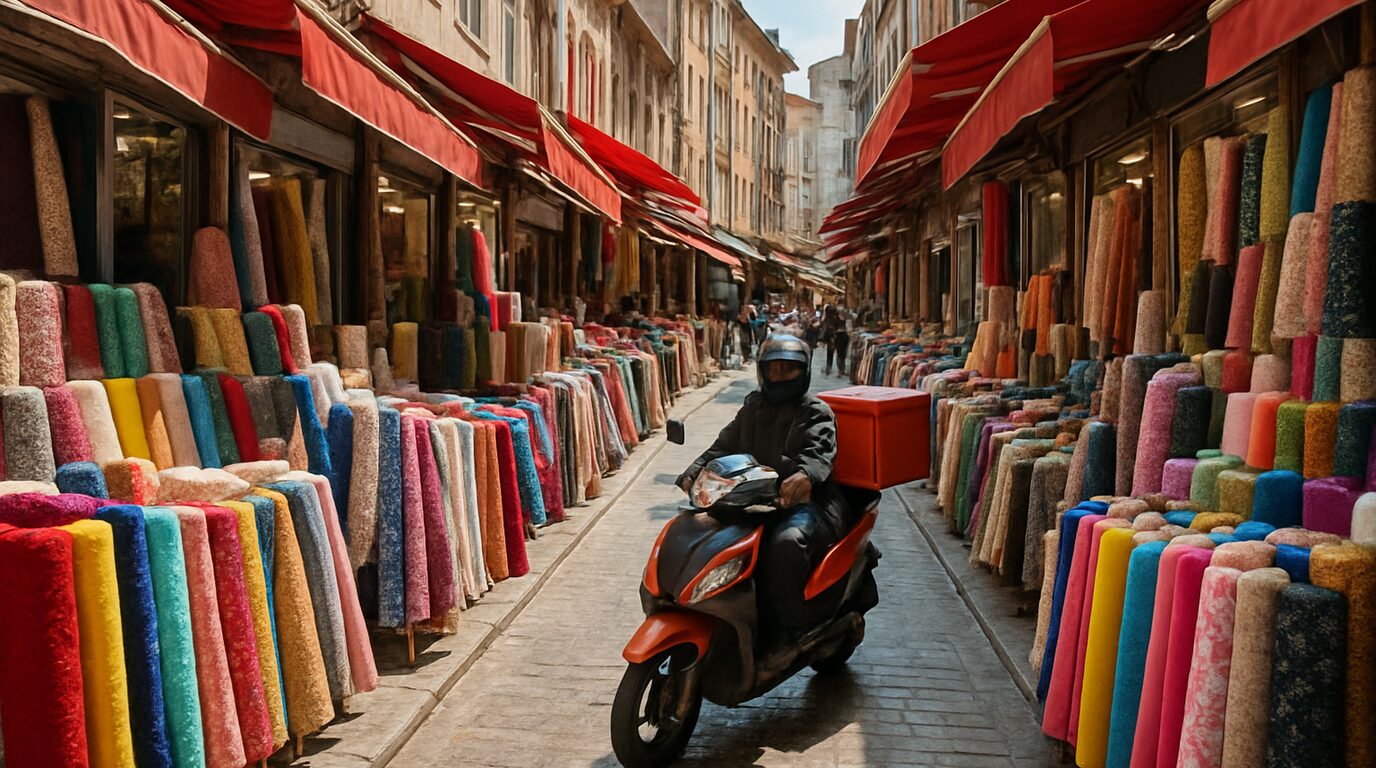
Istanbul is the centre, and it is enormous: thousands of garment workshops and factories spread across districts like Merter, Osmanbey, Bagcilar, Zeytinburnu, and Esenyurt, with the showroom and wholesale trade sitting next door to the production. Izmir on the Aegean coast is the second cluster, strong in cotton knitwear, organic cotton, and the sewing of European high-street programmes. Denizli, inland from Izmir, is the home textile and towelling capital and has a growing garment base. Bursa is the historic textile city, strong in knitted and technical fabric. Denim runs through all of them, with the laundries around Istanbul and the mills that supply Europe's premium jeans brands in Bursa, Adana, Kayseri, Malatya and Kahramanmaras. For a first search, Istanbul for fashion and denim, Izmir for cotton knits.
What Turkey does best
Turkey sells speed and finish. A Turkish factory that has worked for Zara, Mango, or the German mail-order groups can sample in a week, turn a 500-piece order in four weeks, and sew it to a standard that a Chinese factory would need twice the volume to justify. The denim base is world-class, with mills whose names appear on the labels of the jeans you already own. Turkey is also one of the few places where you can source organic and recycled cotton with the fibre, the mill, and the sewing all inside one country, which simplifies your GOTS and GRS chain. What it does not do is cheap basics at volume; a plain white T-shirt will always cost less in Pakistan.
| Category | Turkey's position | Notes for a European buyer |
|---|---|---|
| Premium denim | Very strong | Vertical mills and laundries; 300 to 500 pieces per wash is normal |
| Fashion wovens (dresses, shirts, tailoring) | Very strong | Istanbul; fast sampling, small runs, frequent drops |
| Cotton and organic knitwear | Very strong | Izmir and Bursa; GOTS supply chain inside the country |
| Home textiles and towels | Very strong | Denizli and Bursa |
| Outerwear and technical jackets | Moderate | Capable for fashion outerwear; Vietnam leads on performance construction |
| Volume basics | Weak on price | Turkey costs 20 to 40% more than Pakistan on plain jersey |
What minimums and lead times to expect
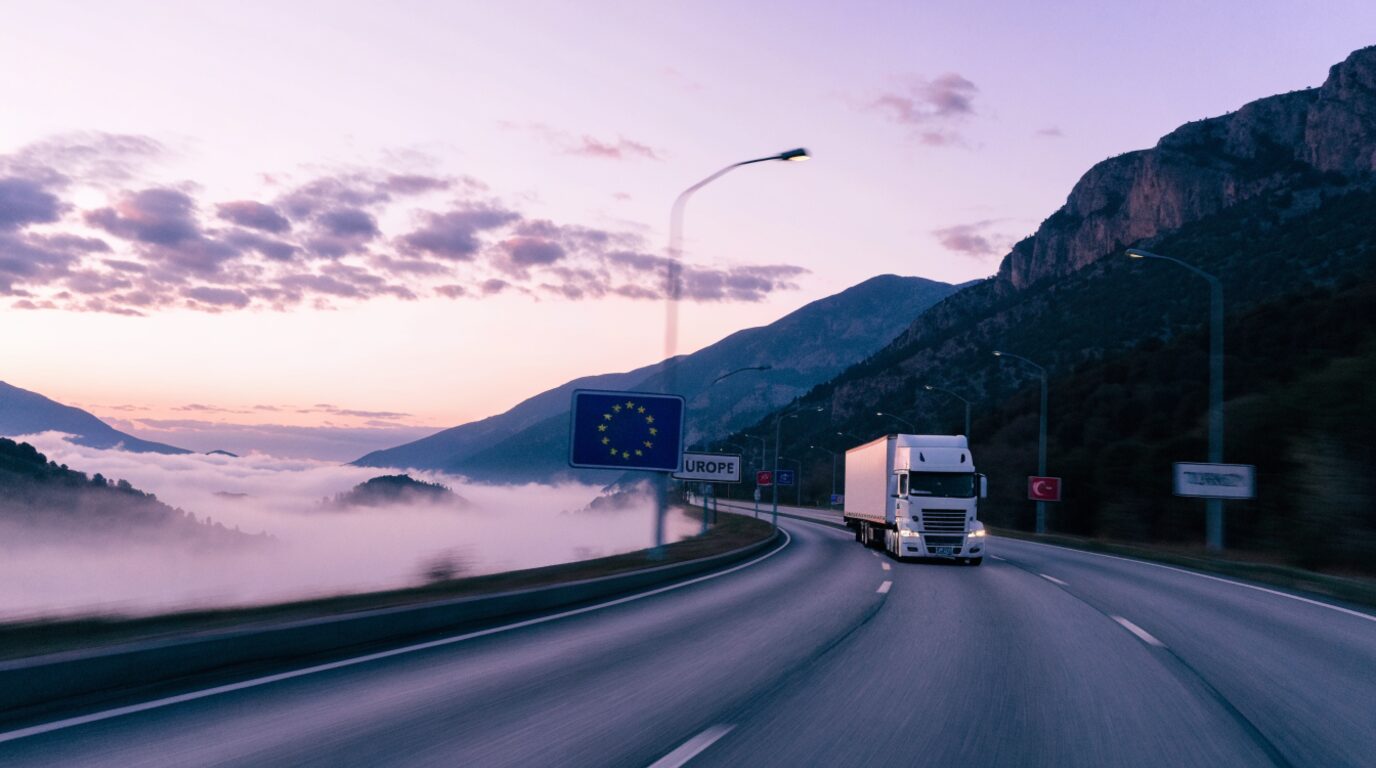
This is where Turkey pulls ahead for a growing brand. A realistic first order is 300 to 500 pieces per style, 100 to 150 per colour, and plenty of workshops will go lower if the fabric is in stock. Lead time from approved sample to ex-factory is 3 to 6 weeks, and road freight to the Netherlands or Germany adds 4 to 6 days. That means a brand can go from tech pack to goods on the shelf in two months, and can reorder a style that sold well and have it back in stock the following month. No Asian country can do that, and it is why so many European mid-sized brands keep a Turkish supplier even when their volume programmes sit in Asia. How Turkish factories price that speed is explained in Turkey nearshoring: pricing your speed.
What the duty position looks like
Turkey has been in a customs union with the EU since 1996. Apparel travels with an A.TR movement certificate and enters the EU at zero duty with no rule of origin to argue about, which is simpler than any free trade agreement. Into the UK, the UK-Turkey trade agreement gives the same zero rate, though there the goods must meet the agreement's rules of origin, since the A.TR does not apply there. The combination of no duty, no sea freight, and no container to fill is why a Turkish quote that looks 30% higher than a Chinese one at the factory gate is often within 10% by the time the goods reach your warehouse. Run the numbers in landed cost for apparel into the EU.
How to vet a Turkish factory from the Netherlands
The vetting problem in Turkey is different from Asia. Fraud is rarer, the compliance paperwork is usually current, and you can be on the factory floor for the price of a short-haul flight. The real question is subcontracting. Istanbul's garment trade runs on a web of small workshops, and the factory you audit may not be the one that sews your order when it is busy. So ask the question directly, and put the answer in the contract.
- Confirm the company's registration and tax number match the audit certificate and the invoice.
- Ask whether your order will be sewn in-house or subcontracted, and which workshops they use.
- Check for BSCI, SEDEX, or GOTS as appropriate, and ask for the last audit date.
- Visit the factory. A day trip to Istanbul answers more than a month of email.
- Hold the first payment until the goods have been inspected.
The general checklist is in how buyers vet apparel manufacturers, and if you are wondering whether the Istanbul office you are talking to owns a sewing line at all, read factory or trading company.
Verified factories in Istanbul, Izmir, and Bursa answer briefs on Lalaaji, with their audits and in-house capacity on the profile. Post your RFQ and compare quotes side by side, with your payment protected until delivery.
Is Turkey the right country for your order?
If you sell fashion, denim, or premium cotton, drop frequently, and cannot forecast six months out, Turkey is the answer. If you sell 10,000 identical hoodies a season, it is not; the price gap to Pakistan is real and the speed does not help you. Many brands land on a split: the programme in Asia, the fast fashion and the reorders in Turkey. That model is described in dual sourcing apparel, and the four country comparison is in where to make your product, by category and order size.
Your questions answered
What minimum order quantity do Turkish clothing manufacturers accept?
A realistic first order is 300 to 500 pieces per style and 100 to 150 per colour, and many Istanbul workshops go lower when the fabric is in stock. Premium denim runs at 300 to 500 pieces per wash.
How fast can a Turkish factory deliver to Europe?
Lead time from approved sample to ex-factory is 3 to 6 weeks, and road freight to the Netherlands or Germany takes 4 to 6 days. A brand can go from tech pack to goods on the shelf in about two months.
Is there import duty on clothing from Turkey into the EU?
No. Turkey has been in a customs union with the EU since 1996, so apparel travels with an A.TR certificate and enters at zero duty with no rule of origin to satisfy. The UK-Turkey trade agreement gives the same zero rate into Britain, provided the goods meet its rules of origin.