







Ordering team kits straight from a factory usually costs well under what a teamwear retailer charges, and the shirt carries your own design, not a stock template with your badge added. Just as travellers stopped paying an agent once they could book the airline themselves, a club can now book the factory direct. The trade is the same in both cases: you do the agent's work, which here means the artwork, the sizes, the name and number list and the sample approval. Most of what the retailer charges for is admin you can do yourself. None of it is difficult if you do it in the right order, and this guide follows that order for football, rugby, basketball, cricket, cycling and similar kits.
If you are still deciding where to have kits made, start with our guides to the Sialkot sportswear cluster and clothing manufacturers in Pakistan. Once you have a shortlist, read on.
Choose the decoration method first
The decoration method decides the fabric, the price, the minimum and the look, so settle it before anything else.
| Method | How it works | Good for | Watch out for |
|---|---|---|---|
| Sublimation | Design printed onto paper, then heat-transferred into polyester fabric before cutting | Full-colour, all-over designs; names and numbers in the print; no extra cost per colour | Only works on light-coloured polyester. Colours can shift from screen to fabric, so check a strike-off |
| Screen print | Ink pushed through a screen onto the finished garment, one screen per colour | Simple one- or two-colour logos on cotton or poly | Set-up cost per colour; less suited to many different names |
| Heat transfer / vinyl | Cut or printed film pressed on | Names and numbers on non-sublimated kits | Can crack or peel with heavy washing; feels stiffer |
| Embroidery and patches | Stitched badges | Crests on polos, jackets, training wear | Heavy on lightweight match fabric; adds cost per piece |
For match kits, sublimation is the usual choice, because there are no screens to pay for, a design with twelve colours costs the same to print as one with two, and the ink sits inside the fabric where it can't crack. Most specialist teamwear factories run their own sublimation printers and heat presses. For a multi-colour match shirt, sublimation wins.
Prepare the design files
Factories work from a flat template of each garment (front, back, sleeves, collar) at full size. Ask the factory for its template for your chosen cut and put your design on it. A mock-up on a photo of a player gives the pattern room nothing to print from.
Send:
- Vector files (AI, PDF or EPS) for logos, crests and sponsor marks, with fonts outlined
- Colours as Pantone references, since "club red" means a different red to every printer
- A front and back mock-up showing where everything sits, with sizes in centimetres
- The font for names and numbers, and their size and position (number on the back, often a smaller one on the front or shorts)
Many factories have an in-house designer who will lay out your design for free if you order. The designer saves you time, but check every proof they send back, especially sponsor logos, because a wrong logo colour means reprinting the panel. A free layout costs nothing until the sponsor's logo comes back in the wrong blue.
Choose the fabric and cut
Most sublimated kits are 100% polyester knit in a weight suited to the sport. Ask the factory for swatches and a fabric card, and specify:
- Weight (lighter for football and basketball, heavier and tighter-knit for rugby, where shirts get pulled)
- Construction (interlock, mesh panels, "pinhole" or bird's-eye mesh for ventilation)
- Cut (regular, slim or "athletic fit", and whether you need women's and junior cuts)
- Collar and cuff style (crew, V-neck, polo, rib or self-fabric)
Rugby kits need reinforced seams and a tougher fabric. Name the sport in your brief and the factory will usually suggest the right base.
Collect sizes with a size kit
Size charts differ a lot between factories, and a chart on its own is a guess. Order a size kit, one sample in each size, before the bulk order, and have players try them on. Many factories send size kits at low cost or credit them against the order.
Then build your roster in a spreadsheet with one row per player:
| Player name (as printed) | Number | Shirt size | Short size | Sock size | Cut (men's / women's / junior) |
|---|
Check the spelling of every name with the player, decide on capitals, accents and apostrophes, and freeze the list before sending. Changes after printing mean reprinting the whole panel.
Minimums, prices and timelines
The big question for a small club is how few sets a factory will make. Team kits are one of the few categories where very low minimums are normal, because sublimation needs no set-up per design. Many factories accept orders of 10 to 20 sets per design, and some go lower for a premium. Prices drop noticeably at around 50 and 100 sets.
Typical timeline for a sublimated kit order:
| Step | Time |
|---|---|
| Design and template proofs | 3 to 7 days |
| Size kit and/or first sample (sent by air) | 1 to 2 weeks |
| Bulk production after sample approval | 3 to 5 weeks |
| Air freight to Europe | about 1 week door to door |
| Sea freight (larger orders) | 30 to 40 days from Karachi to Rotterdam |
Add those steps up and a season start needs the order placed at least ten to twelve weeks ahead. Training wear, tracksuits and jackets with embroidery take longer than match shirts.
Check the sample properly
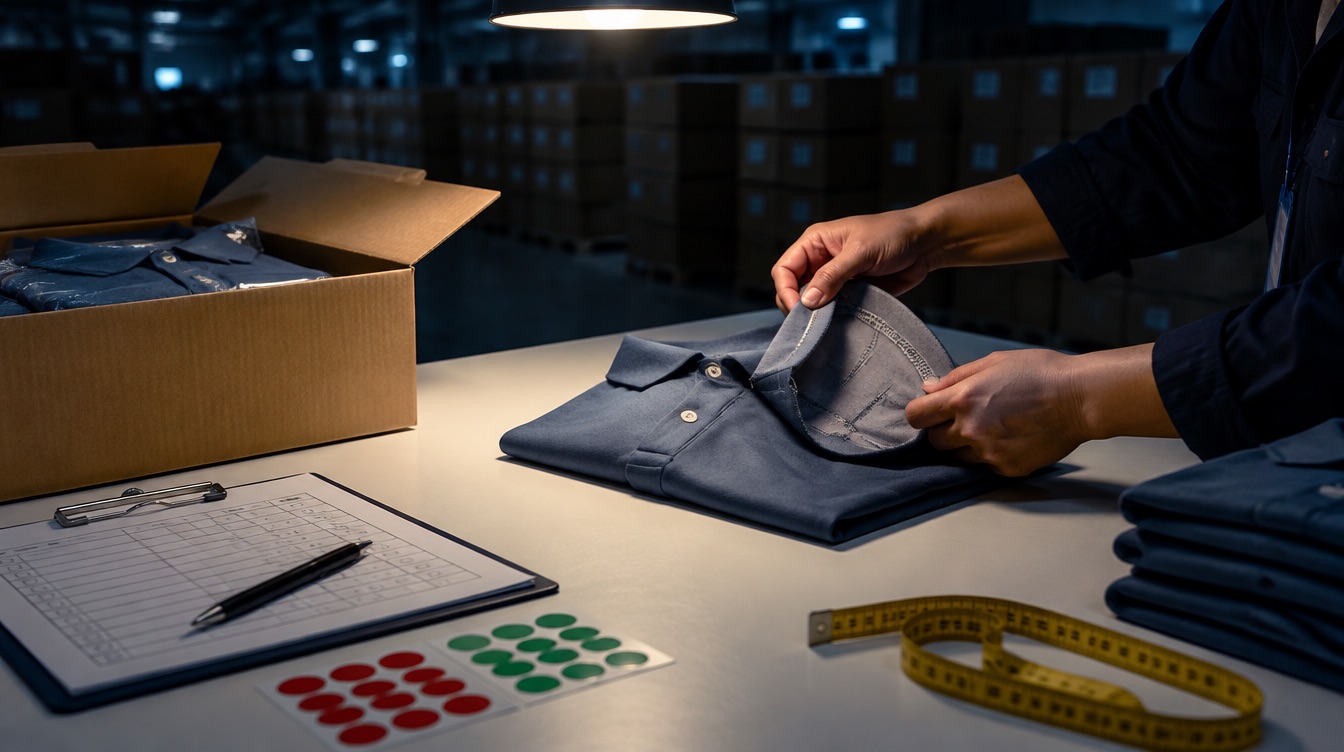
Sampling for kits follows the same stages as any garment; see the apparel sampling process. For kits, pay particular attention to:
- Colour match of the print against your Pantone references, in daylight
- Sharpness of small text and sponsor logos
- Alignment of the design across seams (stripes and patterns that should meet at the side seams)
- Number height and placement
- Neck and armhole comfort after a wash
- Print durability: wash the sample several times at the temperature your club will use
Approve one signed sample and keep a second. For larger orders, a final inspection against that sample before shipment pays for itself; here is how AQL inspection works.
Duty and paperwork
If you are importing kits into the EU or UK from Pakistan, our Pakistan guide covers the duty position. Get the origin statement your customs broker needs from the factory before the goods ship. For clubs ordering a small batch by courier, the courier usually handles customs and bills duty and VAT on delivery.
A brief that gets accurate quotes
Put all of this in one request: sport, garments per set (shirt, shorts, socks), number of sets, decoration method, fabric preference, cut, artwork attached, roster attached if ready, delivery date and address. Our RFQ guide has the general checklist. Lalaaji's team sportswear category shows MOQs and tiered prices from verified manufacturers, so you can see the range before you ask.
Your questions answered
What is the minimum order for custom sublimated team kits?
Many factories accept 10 to 20 sets per design, because sublimation has no set-up cost per design. Prices usually fall at around 50 and 100 sets.
How long does it take to make custom team kits?
Allow about one to two weeks for proofs and a sample, then three to five weeks for production after sample approval, plus shipping. Order ten to twelve weeks before the season starts.
Is sublimation better than screen printing for team kits?
For polyester match kits with several colours, names and numbers, yes: there is no cost per colour and the print can't crack or peel. Screen printing suits simple logos on cotton training wear.
How do I get the right sizes for a whole team?
Order a size kit (one sample per size), have players try them on, then send the factory a roster with each player's name, number and sizes.